Updated: Feb 28, 2026
In this blog, we will discuss:
• What is review bombing?
• How to identify review bombing
• How to report review bombing
• How to recover from review bombing
What is review bombing?
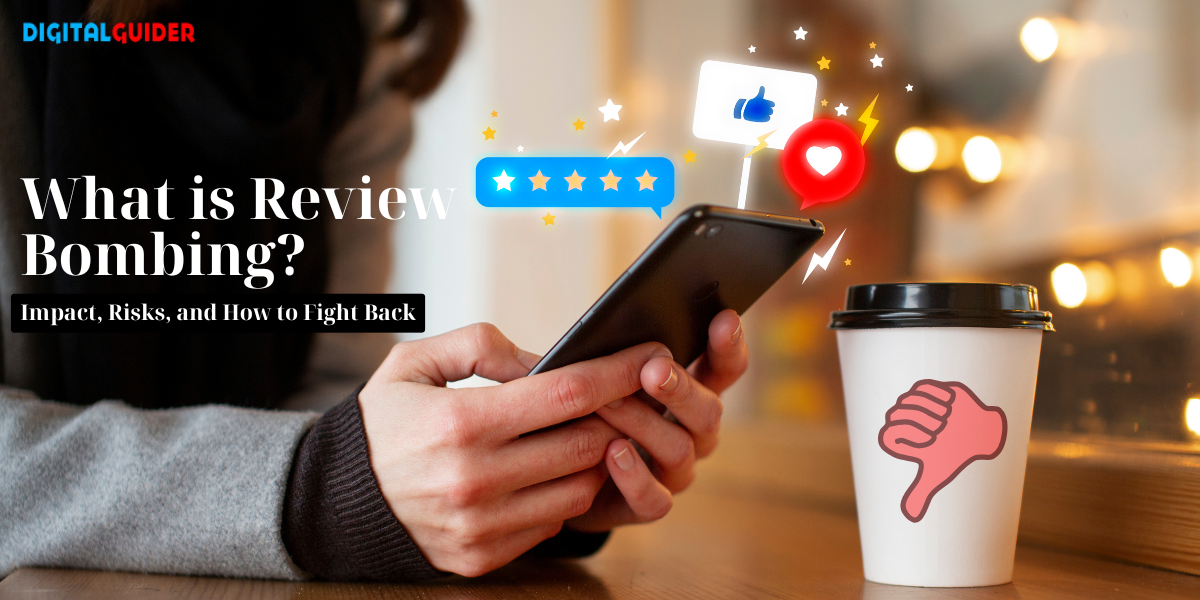
Review bombing is a coordinated online tactic in which a large group of people posts a flood of negative reviews for a product, service, brand, or piece of media within a very short period. It can occur on popular platforms (like Google reviews, Yelp, or Facebook) or on e-commerce platforms or gaming platforms.
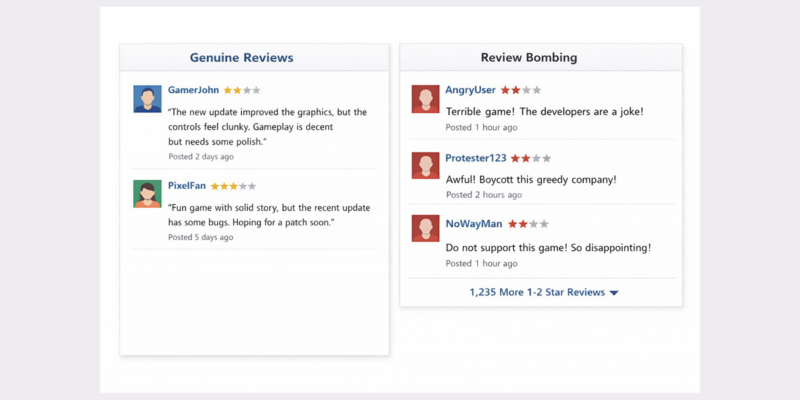
Genuine Reviews Vs Review Bombing
Unlike a typical “bad review,” a review bomb is rarely about the actual quality of the product. Instead, the primary aim of review bombing is to manipulate its average score and harm its online reputation. Review bombing can affect video games, movies, streaming content, and businesses, potentially causing significant reputational damage and millions of dollars in lost revenue.
Genuine reviews Vs review Bombing:
Genuine reviews show a user’s honest experience with a product, service, or content, focusing on user experiences with specific details like its real quality, features, or performance. Real reviews appear gradually and can vary in tone, based on the user’s perspective. For instance, a gamer writes, “The new update improved graphics, but the controls feel clunky,” giving 3-4 stars. Focus is on the product itself.
On the other hand, review bombing consists of coordinated reviews (often extreme in score) that are intended to influence ratings for reasons unrelated to the product itself, such as protesting a controversy or company decision. The reviews often happen in sudden spikes and are often vague or identical. For example, thousands post 1-star ratings of the same game because the game developer added a paid feature.
Why does review bombing happen?
There are several reasons, some of the most prominent are:
- Strong emotional reactions (such as anger or disappointment) often push users to leave negative reviews to express frustration, especially after controversial updates or decisions.
- Many users turn to review bombing when they feel companies or creators ignore their complaints. A large number of negative ratings can pressure companies to respond.
- Outrage spreads quickly on social media and online communities, prompting large groups to join in, even if they haven’t used the product.
- Some review bombs are driven by political, cultural, or ideological disagreements rather than the actual product quality.
- Posting a review takes very little effort and time, making it easy for many people to act at once and create a noticeable impact.
- Online anonymity encourages harsher or unfair opinions since users don’t face real-world consequences.
- In some cases, review bombing is used intentionally to hurt the product’s/brand’s reputation, either by competitors or organized groups.
The impact of review bombing: pros & cons
But how can one identify whether reviews reflect honest opinions or are part of a review-bombing strategy? Review bombing raises some crucial questions:
- Is review bombing always a malicious act?
- Can it ever lead to positive change?
- Is it genuine feedback or just online outrage?
Review bombing can affect businesses, creators, and consumers in very different ways:
| Pros: the power | Cons: the fallout |
| Forces accountability: Highlights critical issues or anti-consumer policies that companies might otherwise ignore. | Collateral damage: High-quality products may see ratings tank over a single unrelated policy change. |
| Consumer voice: Gives a massive, collective megaphone to dissatisfied customers who feel unheard. | Personal targets: Often devolves into harassment of specific creators or employees rather than the product. |
| Drives change: Can successfully push companies to improve products, fix bugs, or reverse bad policies. | Distorted data: Reviews often focus on “the drama” rather than the actual quality, making it impossible for new users to judge the product. |
In short, review bombing can sometimes spark positive change, but more often it hurts reputations, misleads audiences, and creates lasting damage.
5 Types of review bombing:
1. Protest-based review bombing-
This is the most common type of review bombing, where users leave 1–2 star reviews to protest a company decision, policy change, or public controversy, rather than the product itself. These reviews often focus on anger, boycott calls, or dissatisfaction with external issues instead of reflecting real user experience.
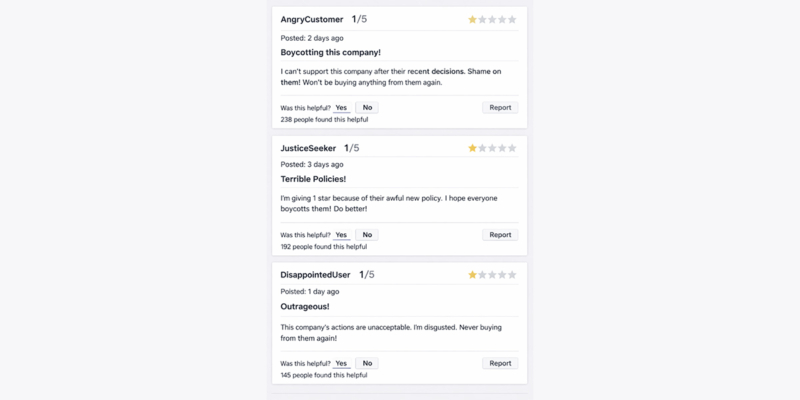
Protest-Based Review Bombing
2. Organized review bombing-
In this type, reviews are posted in a planned and coordinated way, often through social media platforms, forums, or messaging apps. People are encouraged to post negative reviews at the same time to manipulate ratings and influence public perception. Sometimes, users organize on platforms like Discord, Reddit, or Telegram to post reviews at a specific “zero hour.” By hitting a product all at once, they ensure the score drops so rapidly that it catches the attention of the media and the algorithm.
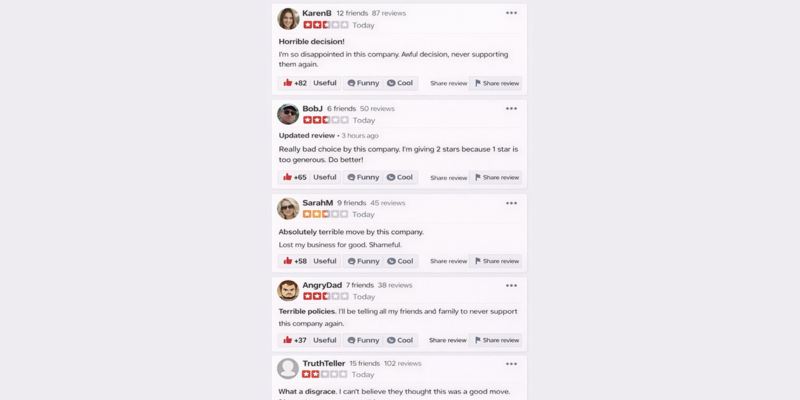
Organized Review Bombing
3. Revenge review bombing-
This happens as a form of revenge or frustration, where users leave negative reviews after facing bans, account suspensions, content removals, price increases, or enforcement of strict rules. Unlike “Protest” bombing, this behavior is usually done by the actual customers who frame their reviews around perceived unfair treatment or personal loss, rather than genuine product-related issues.
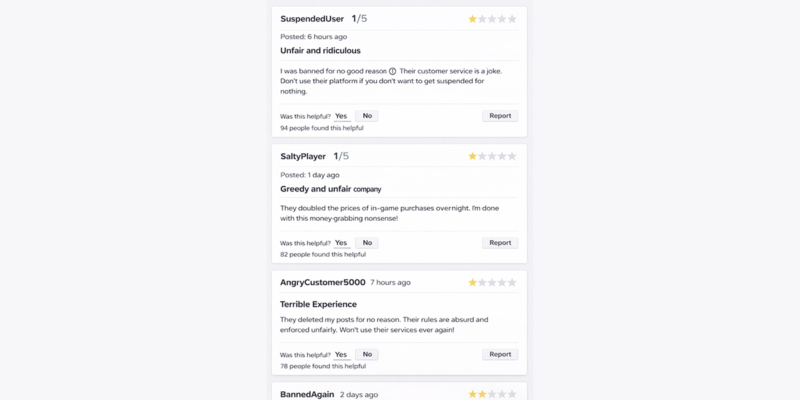
Revenge Review Bombing
4. Competitive review bombing-
This type of review bombing is usually done by competitors or their supporters who leave fake negative reviews to damage a rival’s reputation. This is commonly seen in app stores, local business listings, and eCommerce platforms. Reviews are mostly from new or inactive accounts, mentioning vague complaints, without any evidence of actual product usage.

Competitive Review Bombing
5. Meme review bombing-
This form of review bombing spreads through online trends or viral moments. Users participate just to be part of the crowd, not because they have actually used the product. Although it may seem harmless, it can damage ratings and credibility. This type often includes joke-style or sarcastic reviews based on a funny glitch, viral image, or trending post that later floods the review section.
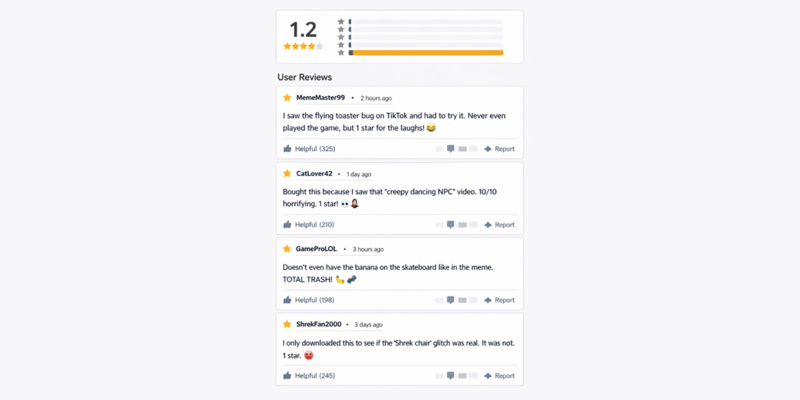
Meme Review Bombing
6 Review bombing examples, real-world:
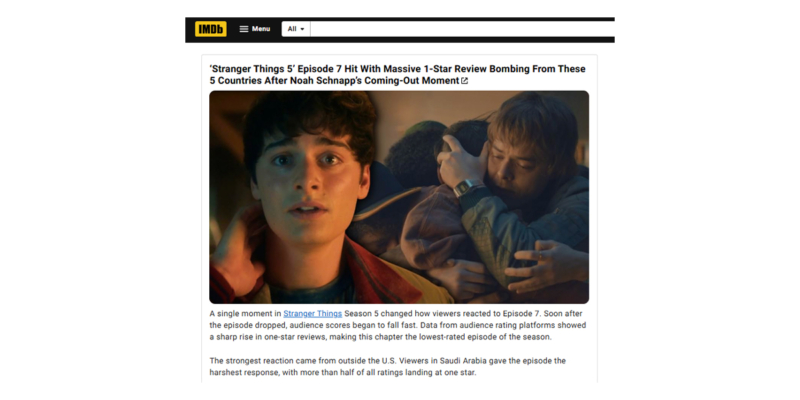
1. Stranger Things Season 5-
Trailer was review-bombed and reportedly received thousands of negative reviews in response to controversy surrounding a character’s storyline.
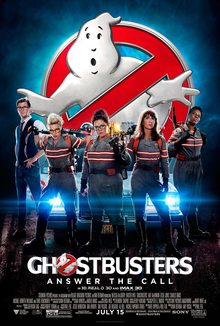
2. Ghostbusters (2016)-
Backlash on IMDb and YouTube (via the trailer’s dislike button) came largely from criticisms aimed at the all-female cast. The film received thousands of 1-star reviews in a short period.
3. Grand Theft Auto V (2017)-
A Steam review bomb occurred after Take-Two issued a cease-and-desist against OpenIV, a popular modding tool. The goal was to stop single-player and multiplayer mods. Many players gave 1-star reviews to protest restrictions on mods rather than the game itself.
4. Captain Marvel (2019)-
Before the movie even hit theaters, many negative reviews flooded platforms like Rotten Tomatoes and IMDb due to comments made by actress Brie Larson regarding diversity in film criticism. The backlash was so intense that Rotten Tomatoes eventually disabled the “Want to See” score and adjusted its system to prevent users from reviewing movies before they are released.

5. Epic Games Store / Borderlands 3 (2019)-
Steam reviews for older Borderlands titles were bombed in protest when Borderlands 3 became an Epic Games Store exclusive. Ratings fell sharply, showing platform loyalty and exclusivity can trigger coordinated campaigns.

6. Warcraft III: Reforged (2020)-
Fans criticized the missing promised features in trailers and a mandatory update that broke the original game for existing owners. The Metacritic score reached a historic low of 0.5/10 in days, showing the immediate impact of coordinated backlash.

Beyond the reasons behind review bombing, questions often arise about its legal implications.
7 Ways to identify review bombing:
Spotting review bombing is essential for businesses and creators to protect their reputation. There are various key signs that reviews may be part of a coordinated campaign rather than a genuine opinion:
1. Sudden spikes-
A business or product that normally receives a steady number of reviews suddenly gets a large wave within hours or days, often without any major product update or launch, sales event, or holiday.
- Normal Reviews- 10–20 reviews a day
- Review Bomb – 4,000 reviews in 6 hours
2. Extreme rating-
During review bombing, most reviews fall at the extremes—either 1 star or 5 stars. There is usually little middle-ground feedback. Genuine customers tend to leave mixed opinions, while review bombers aim to push ratings up or down quickly.
3. Repetitive language-
As many review bombs are automated (bots) or organized via social media, the text often looks similar. The same words, phrases, or complaints appear again and again, suggesting coordination or copy-paste behavior rather than independent opinions.
4. Lack of detail-
Bombing reviews are often short and vague. They don’t mention specific features, services, or interactions. Instead, they mention general statements like “worst ever” or “total scam” without explaining the reason.
5. New/Inactive accounts-
A large number of reviews may come from accounts with little or no history. These profiles often have no photo, no past reviews, or were created recently just to post a rating.
6. Repeated mentioning-
Unlike repetitive language, if many reviews reference the same news story, viral clip, or social media trend, it’s a strong signal of review bombing. Genuine reviews rarely focus on one external event.
7. Sudden drop-
When review bombing occurs, the overall rating can change dramatically in a very short time. A highly rated product or business may suddenly lose trust overnight.
9 Ways to Prevent & Respond to Review Bombing:
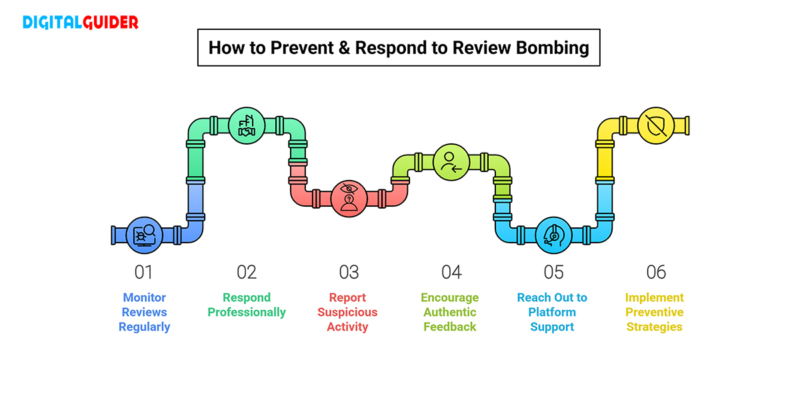
How to Prevent & Respond to Review Bombing
Review bombing can feel overwhelming, especially when it happens suddenly. While you can’t always stop it from happening, the right preparation and response can protect your brand, reputation, and customer trust.
1. Monitor reviews regularly-
Regularly track reviews across platforms like Google, Yelp, app stores, and social media. Early detection helps you to respond before the situation escalates. Sudden spikes in negative reviews or repeated complaints are often the early warning signs.
2. Respond professionally-
Emotional or defensive responses can make things worse. Instead, reply with empathy and clarity. A calm, factual response reassures real customers that you are listening and acting responsibly, even during criticism.
3. Report suspicious activity-
Most platforms provide tools to flag false or policy-violating reviews. Report reviews that are clearly unrelated, abusive, or posted by fake accounts. This enables platforms to investigate and remove harmful content faster.
4. Encourage authentic customer feedback-
Ask genuine customers to share honest reviews after real experiences. Ethical review requests help balance unfair attacks and restore brand or product credibility over time.
5. Reach out to platform support-
If you suspect review bombing, report it directly to the platform. Share clear evidence, like sudden review spikes or repeated comments. This helps the platform investigate faster and remove fake or coordinated reviews.
6. Use review controls-
Enable available review settings to reduce spam or reviews from unverified users.
7. Boost customer relationships-
A strong base of real, satisfied customers helps balance out unfair or fake reviews.
8. Encourage ongoing engagement-
Stay connected with your audience so genuine voices remain active and visible.
9. Prepare for future events-
Create a clear response plan so your team can act quickly if review bombing happens again.
The role of AI in monitoring review bombing:
AI can help platforms remove fake reviews quickly. AI continuously monitors review activity and looks for sudden spikes in ratings or reviews. When a product or business receives an abnormal number of reviews all at once, AI flags the activity as suspicious. AI also compares review text, phrases, or sentences. It also checks reviewer behavior, such as account age, activity history, and posting patterns. Accounts created recently or used only for posting one review are more likely to be flagged. You can start with some AI-powered reputation management and review monitoring platforms, such as Birdeye, Brand24, and Mention.
Case Study
How a U.S. Local Restaurant Recovered from COVID Review Bombing Through Community Support
(Business details anonymized. A real COVID-era reputation incident shared with permission.)
- Industry: Dining restaurant
- Location: Suburban Midwest (U.S.)
- Years in Operation: 5+ years
- Pre-COVID Google Rating: 4.5 ⭐ (900+ reviews)
- Primary Traffic Source: Google Maps & local search
The restaurant had a loyal neighborhood customer base and strong weekend foot traffic before COVID restrictions.
What Triggered the Review Bombing (Mid-2020):
During the COVID restrictions, the restaurant:
- Switched to takeout-only service
- Enforced mask requirements for pickups
- Limited indoor access to comply with county health orders
A frustrated customer posted a Facebook rant accusing the staff of being “rude and unhelpful.” The post was shared widely in local community groups. Within days, Google reviews spiked abnormally.
The Impact:
- 140+ one-star reviews posted
- Google rating dropped from 4.5 → 3.3
- Many reviews mentioned policies and not food, came from profiles with no prior review history
- Google Maps visibility went down
Identifying the red flags:
- Repeated phrases like “won’t let customers inside.”
- Reviews from accounts located outside the county
- No mention of actual menu items or visits
The Recovery:
- The restaurant explained state and county health mandates
- Clarified temporary service limitations
- Thanked customers for their patience
Community Support:
- Long-time customers stepped in
- Shared positive experiences in local online groups
- Left experience-based reviews like “Coming here for years. Staff have always been great.”
- Uploaded photos from prior visits
- Mentions by local food bloggers
- Comments from nearby small business owners
Over the next several weeks, Google:
- Removed multiple reviews
- Reduced the weighting of suspicious activity
- Stabilized the rating naturally – 3.3 ⭐ to 4.4 ⭐
What Worked:
- Real customers comment
- Community validation
- Google favors authentic review patterns
This case reflects a real scenario observed across multiple U.S. small businesses during COVID-related restrictions.
Conclusion
Review bombing is loud, fast, and often unfair—but its impact doesn’t have to be permanent. Transparency, calm communication, and genuine reviews can restore trust and visibility. Platforms ultimately reward authentic reviews over coordinated bombing, making long-term customer relationships the strongest defense against reputation attacks.
Frequently Asked Questions – Review Bombing
Q1: Does Google remove review bombing?
Ans: No, Google does not directly remove review bombing. It may pause your reviews if it’s against the norms, like threats, discrimination, defamation, and more.
Q2: Can I be sued for writing a bad review?
Ans: Yes, businesses can sue customers for writing bad reviews on various sites.
Q3: What role does social media play in triggering review bombs?
Ans: Viral posts often act as catalysts by directing large audiences to leave reviews without real experience.
Q4: How does review bombing impact customer trust psychology?
Ans: Clusters of negative comments may demean your business online, and customers would overestimate risk and hesitate to make further decisions.
Q5: Why do review bombing campaigns often start within 24 hours?
Ans: Coordinated groups typically act quickly to exploit algorithm freshness signals before moderation systems can detect abuse.
Q6: What usually triggers a review bombing attack?
Ans: The attackers are enraged by your viral social media posts, public controversies, activism, or deliberate attempts to harm your business.
Q7: Why are new and small businesses more vulnerable to review bombing?
Ans: A new and small business is expected to have fewer reviews, which results in the easy identification of negative reviews that will impact the customer’s trust.
Q8: How does review bombing manipulate platform algorithms?
Ans: Sudden spikes in review volume can briefly distort ratings, rankings, and visibility before automated filters or manual reviews step in.
Q9: What’s the most effective way to rebuild trust after review bombing?
Ans: Consistently gathering genuine customer reviews and responding transparently helps restore credibility over time.
Q10: How does Digital Guider help businesses recover from review bombing?
Ans: Digital Guider helps by identifying and reporting fake reviews, managing professional responses, and restoring brand trust through strategic reputation and review management.