I personally believe digital marketing is changing faster now than ever before. Strategies that worked a few years ago are slowly losing impact because user behavior, AI search, and online platforms keep evolving. People no longer want generic content or hard-selling ads. They want quick answers, real experiences, and brands they can trust instantly.
I have seen even small businesses grow online simply by adapting early to new digital marketing trends while bigger brands kept following outdated tactics.
Your potential customer has never been this close! Thanks to the advancing technology that constantly changes the digital world. Every other day, you can see & hear innovations through AI, smartphones, and Google’s ongoing updates. This brings digital marketing trends that business owners and marketers should use to attract potential customers.
That is why understanding the latest digital marketing trends in 2026 is important for businesses that want to stay visible, relevant, and competitive online.
What are Digital Marketing Trends?
Digital marketing trends are the latest changes in how businesses attract, engage, and convert customers online. They reflect how people search, consume content, and make buying decisions across platforms like Google, social media, AI search tools, email, and websites.
As technology and consumer behavior evolve, marketing strategies must evolve too. For example, businesses are now optimizing for AI-powered search, creating short-form videos, using personalization, and building trust through authentic content and customer reviews.
Digital marketing trends help businesses stay visible where their audience spends time online. Companies that adapt early often gain a competitive advantage, while those that ignore emerging trends risk losing visibility and customers.
Before exploring the latest digital marketing trends, it’s important to understand the different types of digital marketing and how they work together to drive growth.
Why Are Digital Marketing Trends Important?
Digital marketing trends help businesses stay visible where customers are actively searching.
If your audience starts using AI search tools but your website only targets traditional SEO keywords, you may slowly lose traffic without realizing it.
I noticed this especially with local businesses. Many companies still focus only on ranking webpages, while users are now getting direct answers from AI-generated summaries before clicking any website.
That means businesses now need:
- Better content structure
- Faster answers
- Strong local trust signals
- Helpful conversational content
- Real expertise signals
The internet is becoming more answer-focused instead of keyword-focused.
What are the top digital marketing trends and strategies?
Here are some of the market trends to watch and follow!
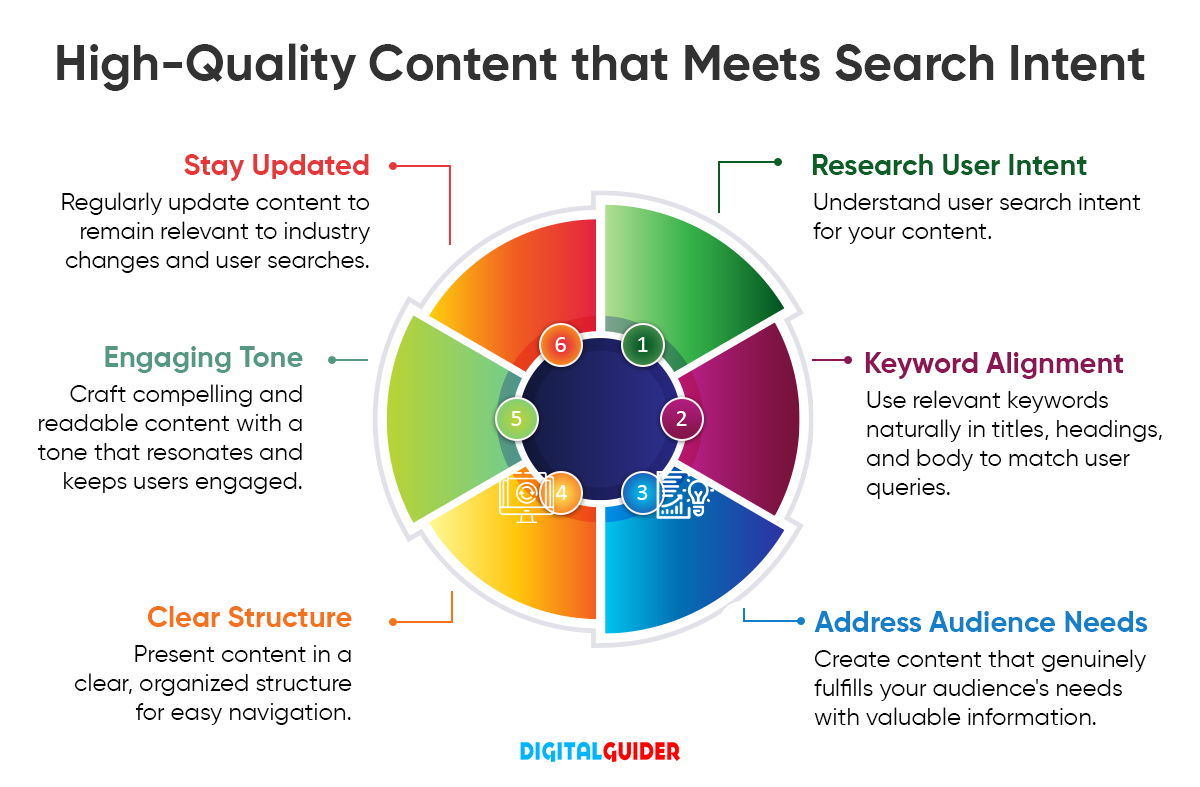
Trend 1: Quality Content and Search Intent
Thousands of articles and blogs are posted on search engines every day for the sake of ranking. Spammers continue to post low-quality content that adds no value to the searchers’ queries. In fact, it hinders them from getting useful content in fewer searches. They might have to dig deeper into the results to get useful content.
 search engines to give direct answers.
As per Google’s core update , low-quality and spammy content will not be entertained and will be thoroughly tackled by Google. The update involves filtering and refining some core ranking systems that help them understand if the content is made only for search engines and is unhelpful for the online audience. This will ensure that spammy content is out of the search results and offer the online searchers relevant, genuine, helpful, and scannable content.
Therefore, marketers like you need to create informational content that fits the search intent, making the user experience smooth. Google’s EEAT (Experience, Expertise, Authoritativeness, and Trustworthiness) framework is a part of their guidelines for evaluating search quality. Following the same will help marketers create genuine and natural content.
Trend 2: Zero-Click Searches
The spread of zero-click searches has significantly impacted marketers. There is a changing behavior of users who want to get the information they need without clicking on any links. The challenge here is to make your content stand out, adapting to this evolving search behavior. For example, direct and instant answers regarding locations, weather, facts, etc. This trend is only growing with the advent of Search Generative Experience, SGE and machine learning and enhances the capabilities of search engines to give direct answers.
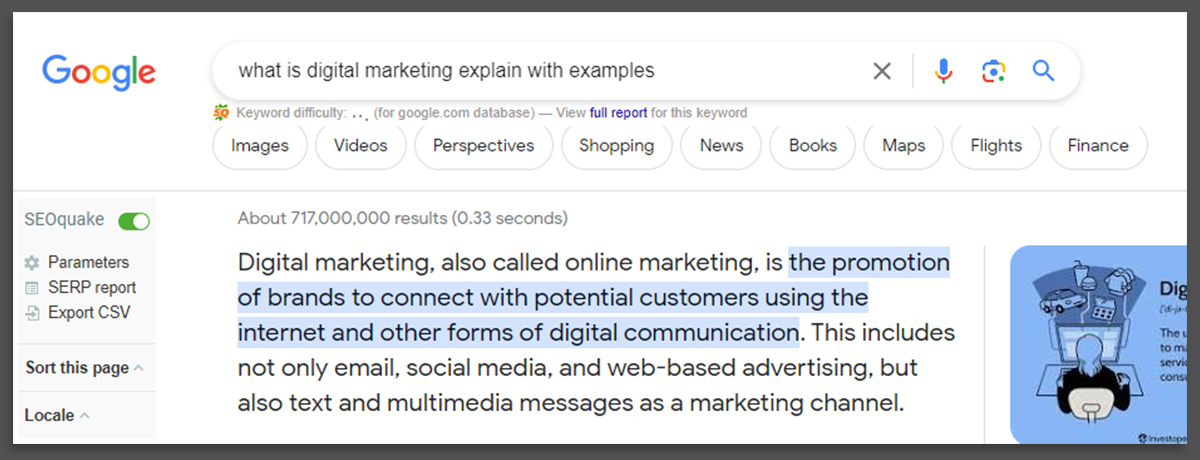
Marketers need to create content that can appear in zero-click searches. But How?
- Understand user intent and align your content with ‘people also search for’ & ‘people also ask’ queries.
- Create content that directly answers common user queries and provides valuable information in a concise format.
- Create videos, images, and infographics, to appeal to different types of searches and SERP features.
- Use structured data markup to help search engines understand and display your content in featured snippets.
- Prioritize mobile optimization to cater to the increasing users accessing information on mobile devices.
- Leverage Video SEO and Voice SEO techniques to increase visibility.
- Be willing to experiment with new formats, keywords, and optimization techniques.
Trend 3: AI Search Is Changing How People Find Businesses
People don’t search the same way anymore. Earlier, someone would type “best dentist Chicago” into Google. Now they ask AI tools full questions like, “Which dentist is good for emergency tooth pain near downtown Chicago?”
That’s why businesses are now optimizing content not just for Google rankings, but also for AI-generated answers. Simple, direct, experience-based content is working much better than keyword-stuffed pages.
Trend 4: Short-Form Video Content
Most users scroll before they search. A quick 20-second video explaining something useful often gets more attention than a long article.
This is why Reels, Shorts, and TikTok videos are growing so fast. Even industries that used to avoid video are using it now. A plumber showing a quick repair or a dentist explaining veneers casually on camera feels more trustworthy than polished ads.
People connect with people, not stock photos.
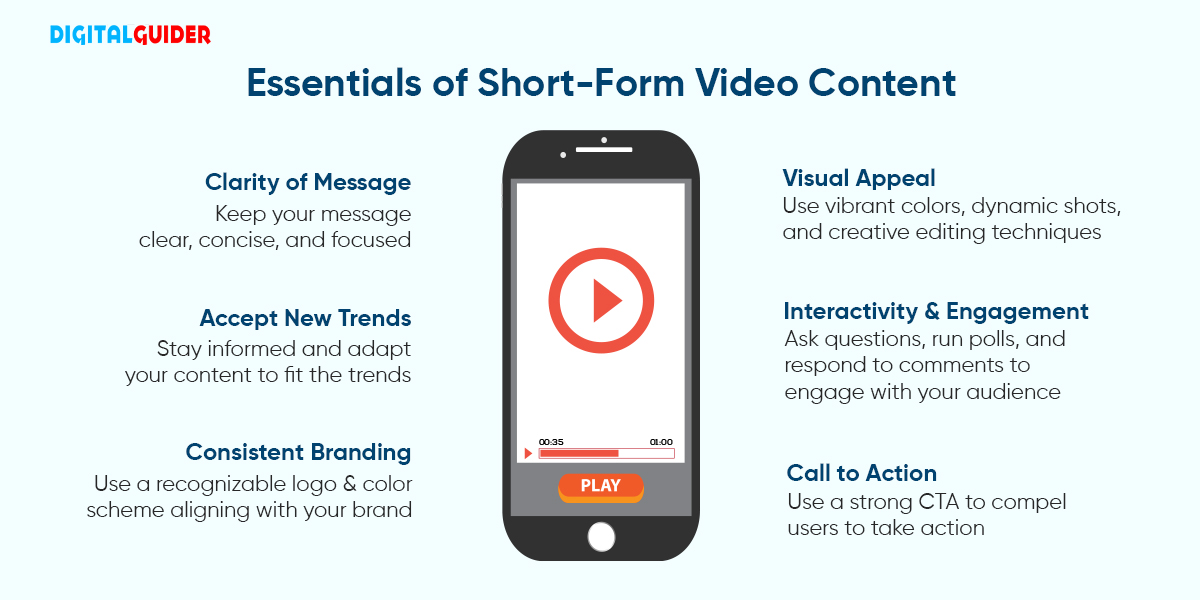
Furthermore, short-form videos have unmatched viral potential. As per 47% of marketers, short-form videos are likelier to go viral. Original, relatable, and shareable content may take off rapidly and increase engagement on social media platforms and business visibility.
Trend 5: Local SEO Has Become Extremely Competitive
When someone searches “near me,” they are usually ready to take action immediately. That’s why local SEO matters so much now.
But generic city pages are not enough anymore. Businesses that add real local details, genuine customer reviews, neighborhood-specific content, and updated Google Business Profiles usually perform much better.
Google has become very good at detecting pages that feel copied or made only for rankings.
Trend 6:People Search More Like They Talk
Search behavior has become more conversational. Instead of typing short keywords, users now ask complete questions.
Someone might search:
“Which running shoes are best for knee pain?”
This means businesses need to write content in a more natural way too. Pages that answer real questions clearly tend to perform better in both Google and AI search results.
Trend 7: Thought Leadership Through Podcasts
Podcasting is a great way to express your expertise in your industry. It tells your audience you have in-depth knowledge about your core subject matter. People nowadays get more attracted to podcasts as they are always hungry to know more about things that concern them.
They actually consider listening to podcasts as their personal space and grab all the information provided via podcasts. Podcasting is an untapped opportunity for businesses to gain the trust of their customers.
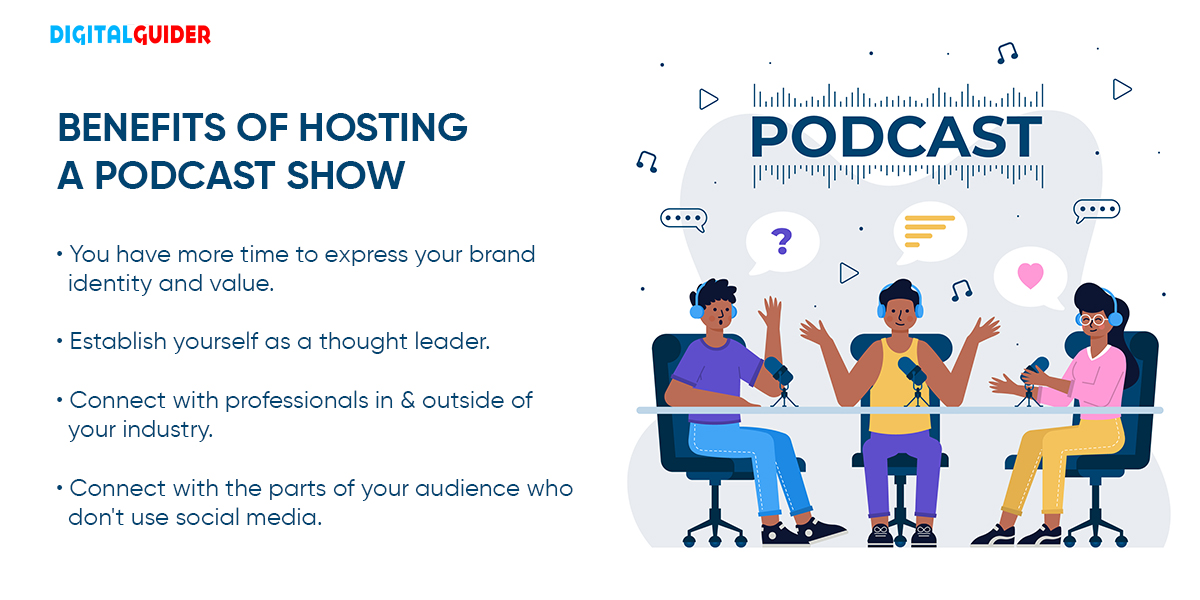
Podcast advertisements capture the full attention of 64% of listeners, and 95% of regular podcast enthusiasts have acted upon hearing an audio ad. The podcasting medium offers a unique, engaged experience, making it an essential platform for building brand awareness and prompting audience action that shouldn’t be underestimated.
Hence, marketers need to learn the art of using this audio medium to connect with their audience on a deeper level and share valuable insights.
Trend 8: Virtual & Augmented Reality
Our interactive experiences have gone beyond mobile screens and desktops. VR and AR are newer ways to experience the digital world and majorly impact businesses. Imagine wearing clothes without leaving your couch or training employees in a safe, virtual world. That’s the power of AR and VR!
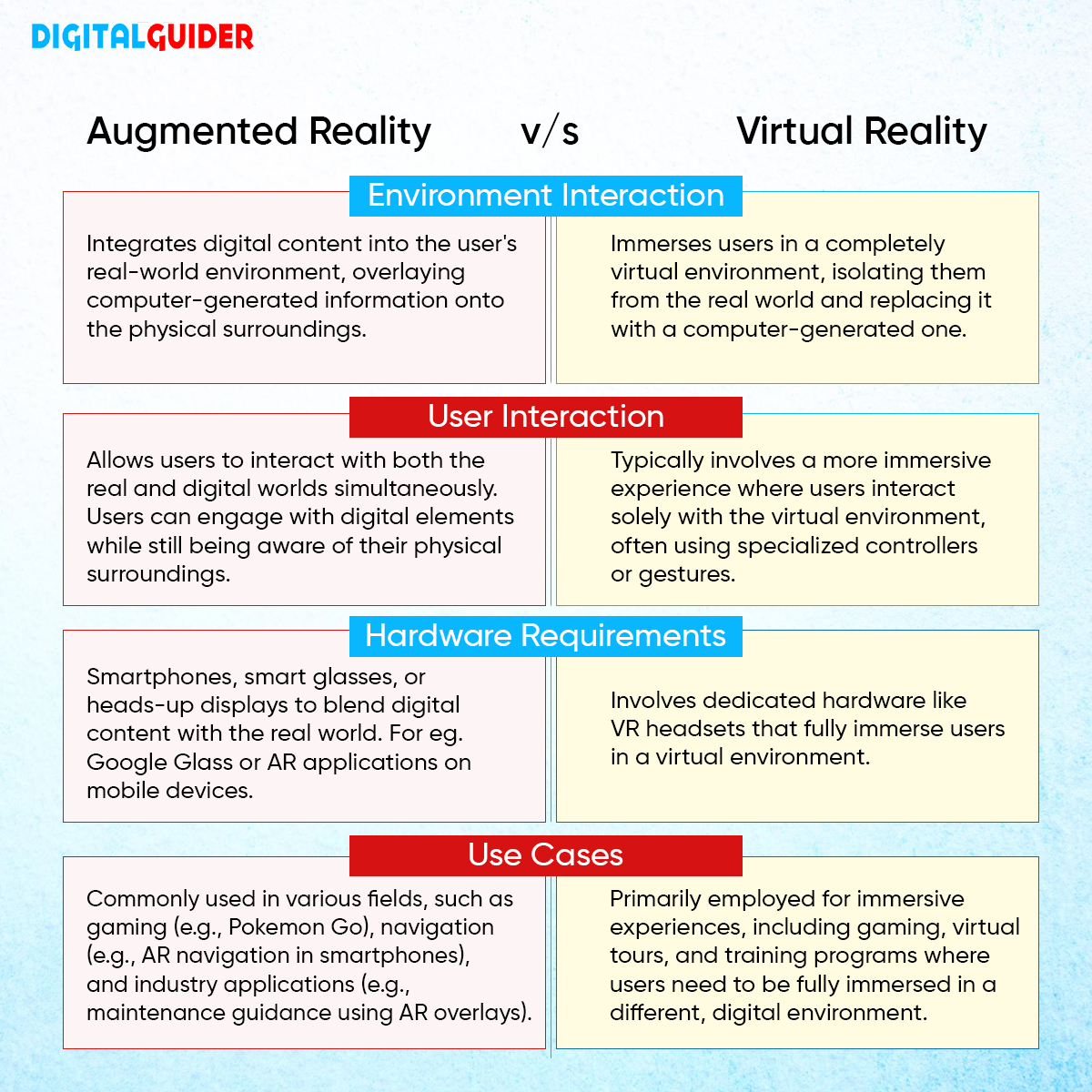
Virtual Reality (VR) enables the creation of immersive experiences that transport users to different worlds, while Augmented Reality (AR) allows the overlay of digital content onto the real world, enhancing engagement and interactivity. Marketers should start researching VR & AR devices and platforms to educate themselves before implementing any of these for their customers.
Trend 9: Influencer Marketing
Imagine that your potential customer follows some social media influencers or micro-influencers in your niche, and one day, a video of your collaboration with them pops up. Now what do you think will happen? Of course, that person will surely visit your page and learn that you and your business exist. So definitely, it helped with spreading awareness of the brand and gave out a message that your products and services are credible.
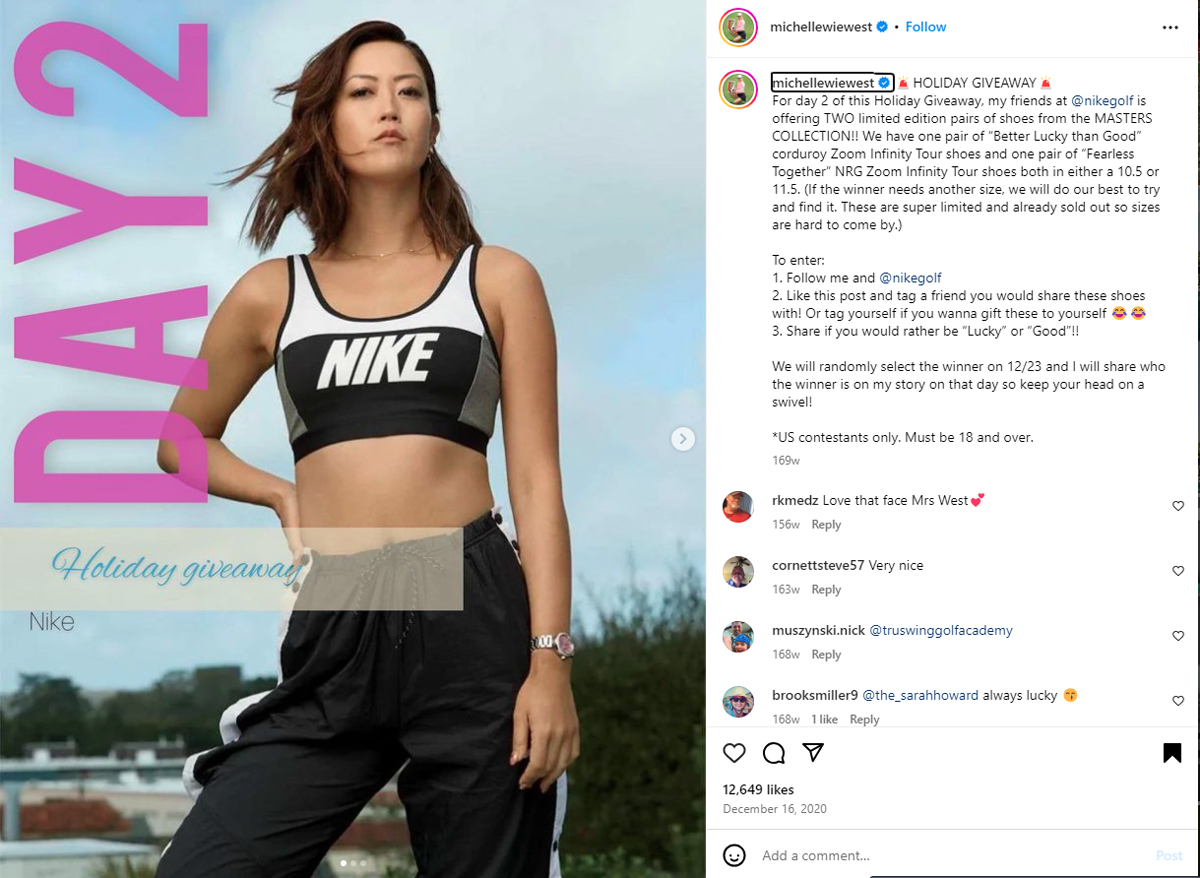
Michelle Wie West became well-known by becoming the youngest golfer to join the LPGA Tour at 15. Soon after, she partnered with Nike in 2005 and has stayed with them since. She often shares Nike content, like this giveaway from December 2020.
So we can say that –
- Influencers function as reliable authorities suggesting your product to their audience, much like you would recommend it to a friend.
- This fosters trust and generates interest in your offering.
- Engaging in influencer marketing can potentially increase sales and brand visibility, providing valuable insights into your audience.
Trend 10: Social Selling and Conversational Marketing
Social selling involves moving away from cold calls and forming relationships through social media.
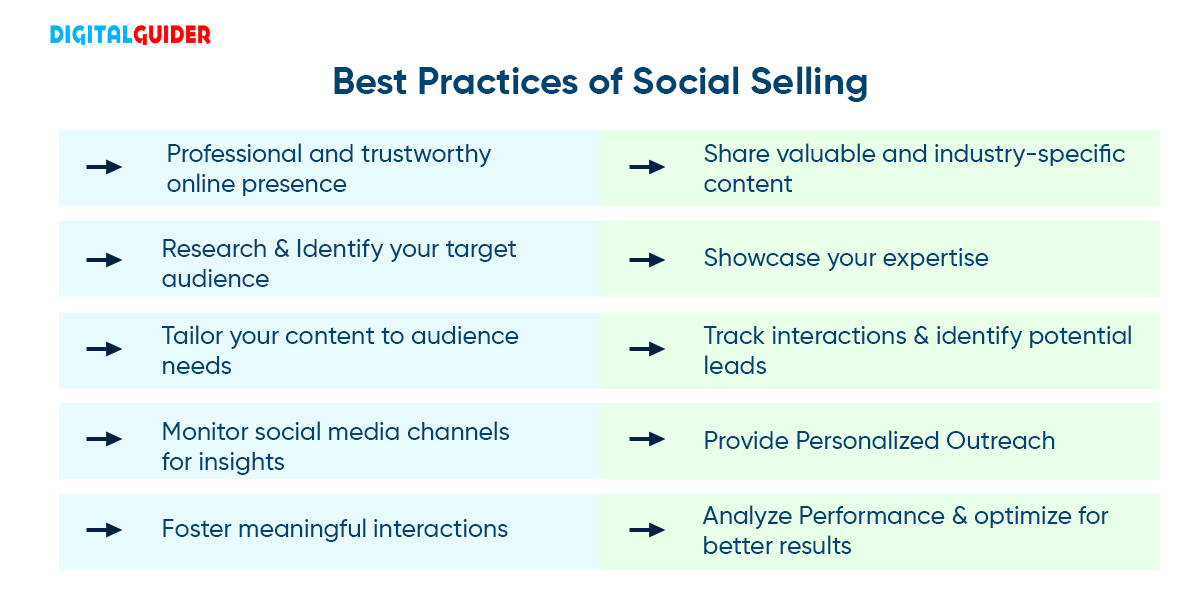 Marketers can utilize it to:
- Engage with potential customers: Identify individuals who may be interested in your product and engage in direct conversations with them.
- Establish expertise: Share valuable content and insights, moving beyond sales pitches to demonstrate knowledge.
- Foster trust and brand loyalty: Purchases are often made from trusted sources. Social selling aids in building authentic connections that contribute to trust and brand allegiance.
Whereas, conversational selling revolves around engaging in a two-way dialogue with your leads instead of delivering a one-sided sales pitch. Envision discussing a friend’s problem and then suggesting a solution—your product.
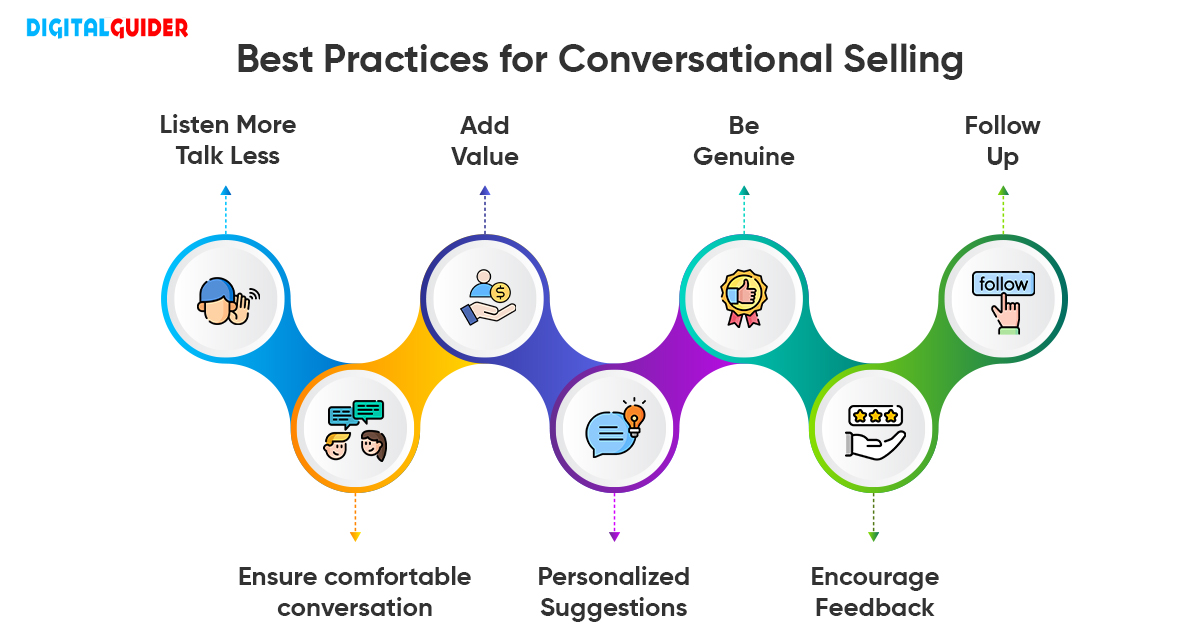
Here’s how marketers can make the most of conversational selling:
- Listen and comprehend: Utilize chatbots, live chat, or social media to engage in authentic conversations. Discover the needs and challenges of your leads.
- Provide personalized solutions: Avoid employing a generic script. Customize your recommendations to suit their particular situation.
- Establish rapport and trust: Through being helpful and informative, you can cultivate trust, making the sales process feel more natural.
Trend 11: AI-Powered Marketing
With AI and machine learning, marketers can now study how people behave, guess what’s coming next, and make decisions without human help. This makes marketing more accurate and better, and it also gives new ways to interact with customers.
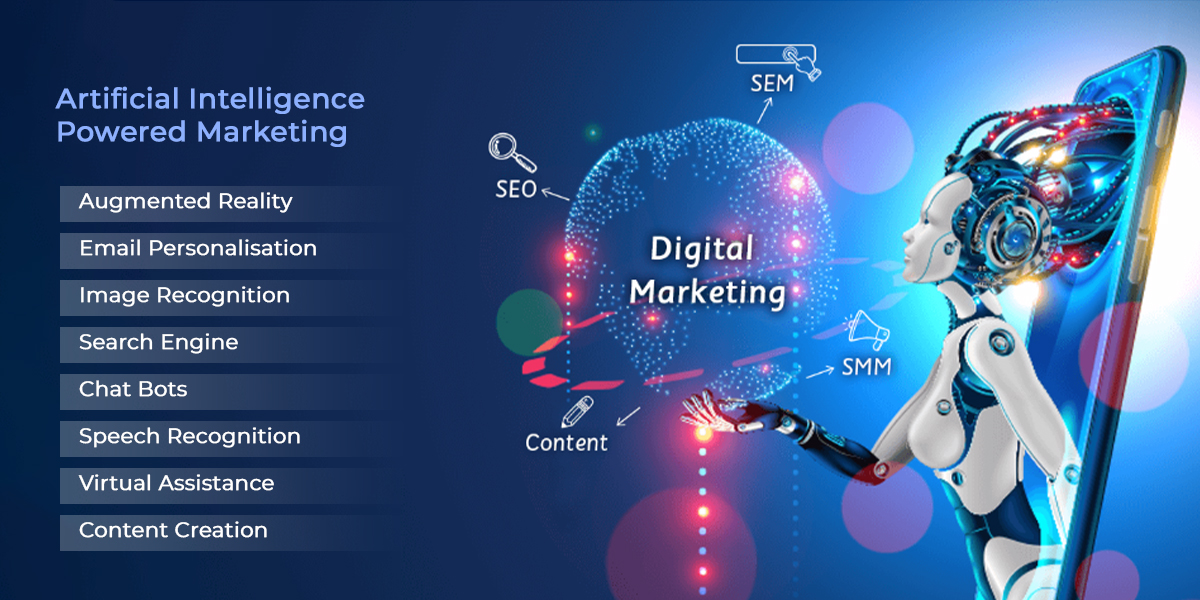
Marketers receive lots of information from different places like social media, website visits, customer talks, and sales records. AI can quickly sort through all this data to find patterns, likes, and trends. It’s something that would take humans a lot of time or be very hard to do without AI. Marketing involves planning strategies, keeping an eye on progress, solving problems, and Artificial Intelligence (AI) can do all of this faster. When used smartly, it can greatly boost productivity for marketers and businesses.
What Is the Future of Digital Marketing?
The future of digital marketing will become more personalized, conversational, and AI-driven.
Users want:
- Faster answers
- Better experiences
- Authentic brands
- Human connection
- Personalized recommendations
Search engines are also becoming smarter at understanding intent instead of only keywords.
That means shallow SEO tactics will continue losing effectiveness.
Brands that genuinely help users will perform better long term.
I honestly think the businesses winning over the next few years will not necessarily be the biggest ones. They will be the businesses that communicate clearly, build trust consistently, and adapt faster to changing user behavior.
That shift is already happening right now.
Google Is Prioritizing Experience-Based Content
Google increasingly rewards content written from real experience.
That is why personal observations matter.
For example:
“I tested these SEO strategies for six months and saw local rankings improve.”
feels stronger than:
“SEO strategies can improve rankings.”
Experience creates trust. AI-generated content often lacks this depth naturally, businesses should include:
- Case studies
- Personal insights
- Real examples
- First-hand observations
inside content.
Final Words
Digital marketing trends are constantly evolving because user behavior keeps changing.
The strategies that worked five years ago are not enough anymore.
Businesses now need:
- AI-ready content
- Conversational SEO
- Experience-based authority
- Strong local trust
- Multi-platform visibility
- Helpful educational content
The good news is that modern digital marketing rewards usefulness more than manipulation.
That creates better opportunities for businesses willing to genuinely help users.
If you focus on solving real problems, answering real questions, and building real trust, most digital marketing trends naturally start working in your favor.
Once you’ve selected the right tools, integrating them into your digital marketing strategy will be smoother. Start with one trend and get comfortable with it. As you gain confidence, you can explore and experiment with other trends, enjoying the process of growing your business. Alternatively, you can hire digital marketing services for optimal results.
Digital Marketing Trends FAQs
1. What are the biggest digital marketing trends businesses should focus on in 2026?
The biggest digital marketing trends in 2026 include AI-generated search results, voice search optimization, short-form video marketing, first-party data collection, influencer collaborations, and personalized content experiences. Many US businesses are also investing more in Answer Engine Optimization (AEO) because people now expect direct answers from Google, ChatGPT, Siri, and Alexa instead of scrolling through multiple pages.
2. Why is AI changing digital marketing so fast?
AI is changing digital marketing because it helps businesses create content faster, understand customer behavior better, and automate campaigns in real time. Search habits in the US have also shifted. People now ask complete questions like “best dentist near me open today” or “affordable SEO company for small business,” so brands need content that answers real user intent naturally.
3. Is SEO still important with AI search and ChatGPT growing?
Yes, SEO is still extremely important, but the strategy is changing. Traditional keyword stuffing no longer works like before. Businesses now need high-quality content, topical authority, fast websites, local SEO signals, and conversational answers that AI tools can easily understand. In competitive US markets like New York, Chicago, or Los Angeles, brands focusing on SEO plus AEO are seeing stronger long-term visibility.
4. How does short-form video help businesses get more customers?
Short-form videos on platforms like TikTok, Instagram Reels, and YouTube Shorts help businesses capture attention quickly. Many users in the US now prefer watching a 30-second video before buying a product or booking a service. This works especially well for restaurants, home services, gyms, salons, and local businesses because people want quick visual proof before making decisions.
5. What is AEO in digital marketing?
AEO stands for Answer Engine Optimization. It is the process of optimizing content so search engines and AI assistants can directly answer user questions. Instead of only trying to rank on Google, businesses now optimize for featured snippets, voice searches, AI overviews, and chatbot responses. Simple, clear, and question-focused content usually performs better for AEO.
6. Are email marketing and social media still effective in 2026?
Yes, both email marketing and social media are still effective when used correctly. Email continues to deliver strong ROI because businesses own their audience directly instead of depending only on algorithms. Social media works best when brands focus on authenticity, customer interaction, and educational content instead of overly polished ads. Many US consumers now trust relatable behind-the-scenes content more than traditional promotional posts.
Share This Article
About the Author: Sofia Johnson

Related Articles
 September 17th, 2026 | 8 minutes read
Austin is a competitive market for local businesses, tech companies, startups, and growing brands. The right agency can help you
- September 14th, 2026 | 8 minutes read
Search used to take minutes. AI changed it into seconds. People are not more interested in scrolling down 10 blue
- September 10th, 2026 | 13 minutes read
1. DigitalGuider 2. Thrive 3. WebFX 4. Coalition 5. Victorious SEO 6. First Page Sage 7. RankScience SEO 8. The
- September 7th, 2026 | 8 minutes read
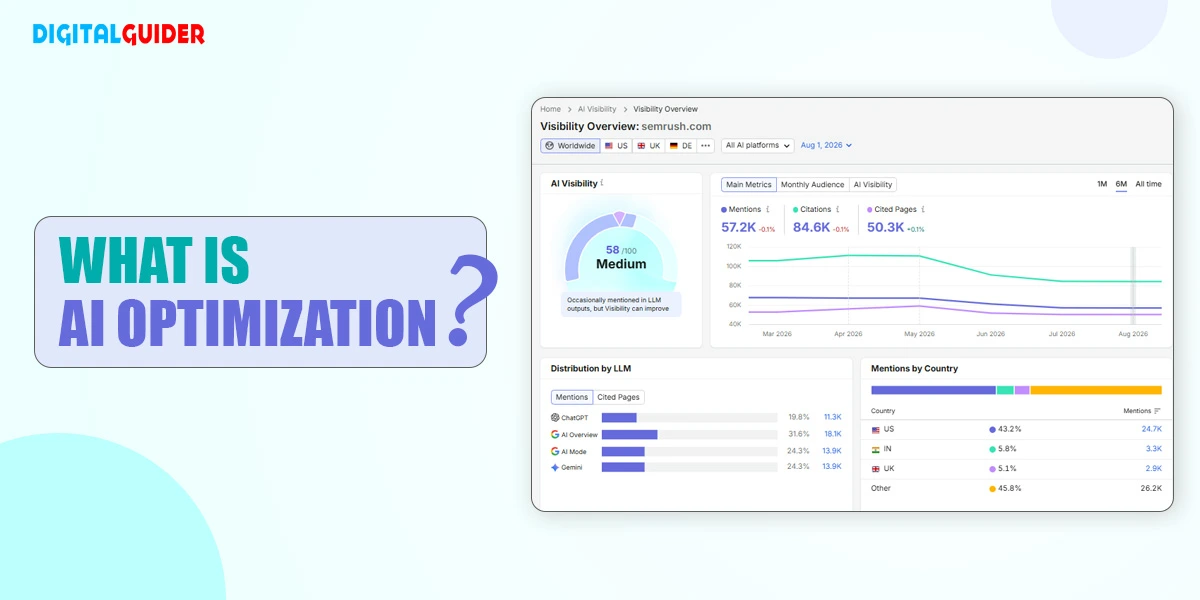
If someone asked ChatGPT about your business today, what would it say? Would it recommend your website, name your rivals,