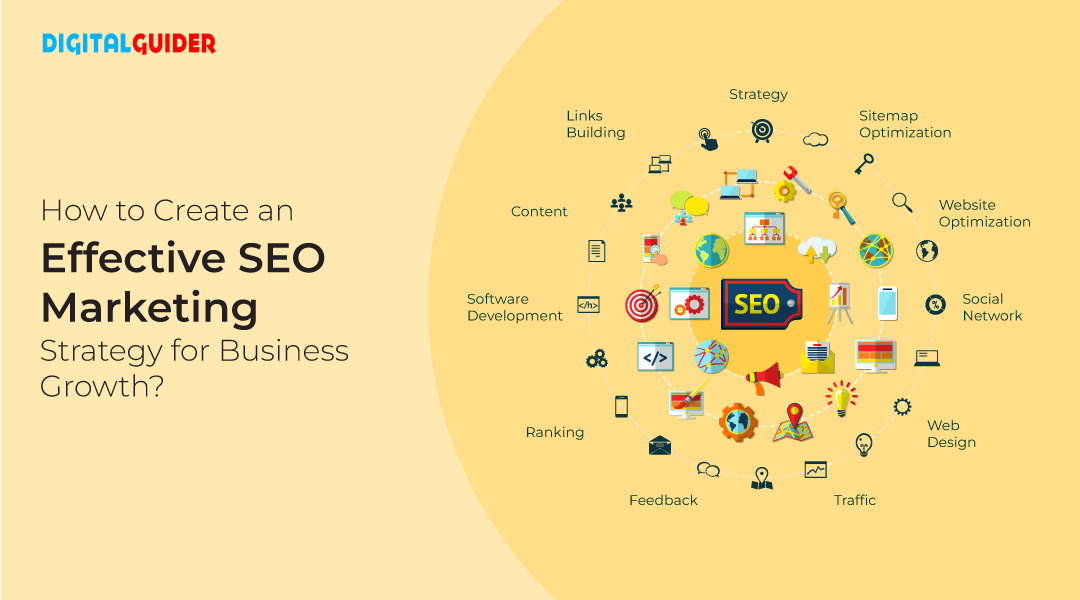
Synopsis SEO marketing helps small businesses attract more customers by improving website visibility on Google. It ensures your business appears in searches, driving organic traffic without costly ads. Key strategies include keyword research, on-page optimization, local SEO, technical improvements, and backlink building. A strong SEO strategy boosts credibility, increases foot traffic, and ensures long-term business growth.
You have a small business in the US and want to attract more customers or increase footfall to your store. SEO in 2026 is less about “ranking a website” and more about becoming the most trusted answer across Google Search, AI Overviews, Maps, and AI assistants.. Let us dive into SEO marketing to learn its digital magic.
SEO in 2026 is no longer just about blue-link rankings. Businesses now compete for visibility inside Google AI Overviews, ChatGPT recommendations, Bing Copilot, local packs, YouTube results, and even Reddit threads appearing in SERPs.
If you’re not building for AI retrieval + authority + user signals, you’re already behind.
Here’s a quick checklist of SEO marketing strategy for business growth is on the right track:
✔ Identify your target audience and their search intent
✔ Perform keyword research based on real user queries
✔ Create high-quality, helpful, and structured content
✔ Optimize titles, meta descriptions, and headings
✔ Improve website speed and mobile experience
✔ Build high-quality backlinks from relevant websites
✔ Optimize your business for local search (if applicable)
✔ Track performance using tools like Google Analytics and Search Console
✔ Continuously update and improve your content
This checklist helps you stay consistent and ensures you’re not missing any important part of SEO. Now lets understand in brief.
What is SEO Marketing?
SEO marketing in 2026 is like giving your website a clear map so search engines and AI systems can easily understand it.Modern SEO is about helping search engines and AI systems confidently understand who you are, what you offer, and why your content deserves trust.
When your site is properly optimized, it appears in front of people actively searching for your products or services whether in traditional results or AI-generated answers. Modern SEO focuses on visibility, authority, and relevance.
Effective SEO tells search engines and AI that your content is the best answer to real questions, helping your business stand out and stay competitive in today’s digital world.
Why is SEO Marketing Crucial for any business?
SEO marketing is crucial in 2026 because visibility now determines survival. If your business doesn’t appear in search results or AI-generated answers, your competitors will.
Today’s users rely on Google Search, AI-generated summaries, local map results, and conversational AI tools to make buying decisions quickly. Most attention goes to the top organic results or the sources AI systems reference. SEO ensures your website is structured, relevant, and authoritative enough to earn those positions.
It’s no longer just about ranking it’s about being discovered, trusted, and cited across search and AI platforms. Strong SEO connects your business with high-intent users at the exact moment they’re ready to act, turning visibility into traffic, leads, and revenue.
Enhancing User experience
After fine-tuning your website or online store, visitors are prone to have a more pleasant experience in the following ways:
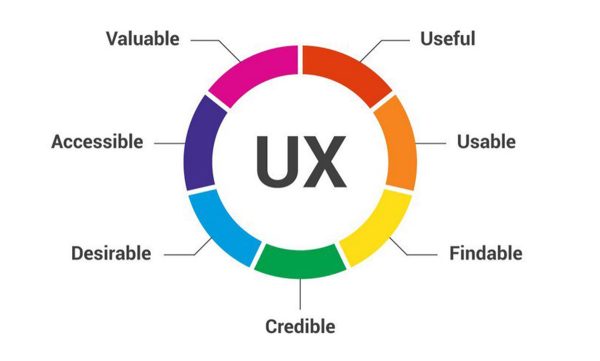
- Improved website structure and navigation- Moving effortlessly between different pages on the site.
- Enhanced content on each page- Easily read web content, grasp credible and pertinent information, and take actions like subscribing to emails, completing a contact form, or purchasing.
- Quicker loading times- Navigating and scrolling swiftly with minimal delays in accessing information.
Increase Online Visibility
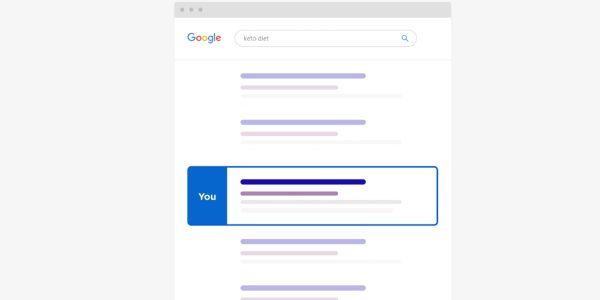
Organic visibility still matters, but click behavior has changed. In many searches, users now get answers directly inside AI Overviews, featured snippets, local packs, or discussion forums before clicking a website. That means SEO today is about earning visibility across the entire search experience not just ranking #1.
Higher Organic traffic
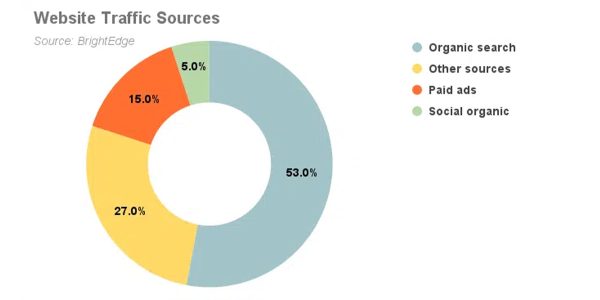
Utilizing paid advertisements is a method to boost website traffic, but it can incur significant costs. By employing an SEO digital marketing approach, you can achieve high rankings in search results, drawing in organic (free) traffic to your site.
Strong SEO helps your brand appear during high-intent searches even before users visit your website. In many cases, users first discover businesses through AI summaries, map listings, review platforms, or branded mentions across the web.
Strategic Customer Insights
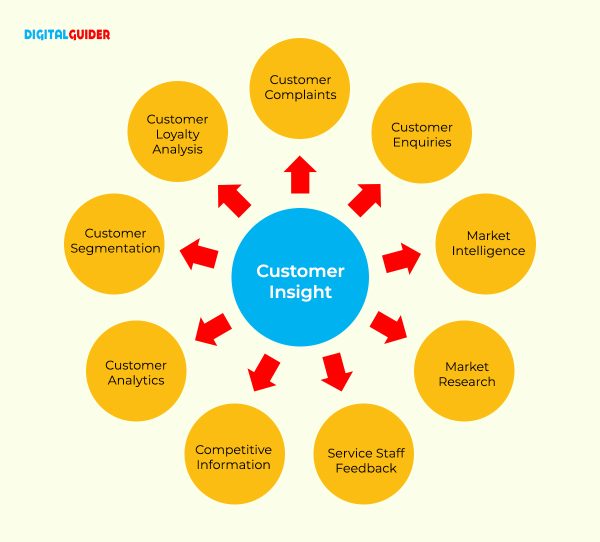
A big part of running a successful business is understanding what customers need. In the SEO marketing journey, you gather customer insights by:
- Checking what terms customers are searching for through keyword research, including questions about how and why, as well as product and brand names.
- Figuring out why customers search for specific keywords is called searcher intent.
- Finding out what kind of content makes customers subscribe or buy products.
Key Benefits of SEO for Business Growth
The process of SEO marketing extends beyond its ability to improve website rankings because it creates direct effects which determine your online business development. The process generates results which occur over time because it enables you to attract suitable visitors while establishing credibility with your audience.
Builds Brand Visibility & Trust
Google shows your website to users who search relevant terms which causes them to recognize your business identity. Users develop trust through time because they assume that websites which achieve top search position hold greater credibility and expertise.
Generates Consistent Organic Leads
SEO generates ongoing website traffic through organic search results while paid advertisements stop delivering results until you stop your spending. The visitors who come to your site represent active service seekers which makes them a higher conversion potential group.
Cost-Effective Long-Term Strategy
The initial work SEO demands results in long-lasting advantages which exceed the expenses. Your website achieves sustainable traffic growth through organic search after your pages reach their ranking positions because users reach your site without needing to pay for every visit.
How Search Engines Work (Simple Explanation)
The process of SEO requires search engine professionals to learn about Google’s methods which drive its search engine operations. The process consists of three core steps which make up its entire operation.
Crawling: Search engines use bots (also called crawlers or spiders) to discover new and updated pages on the internet. The bots use links to travel between web pages.
Indexing: The search engine uses its index to store and organize web pages after discovering them. The page will not get indexed properly if your website lacks essential optimization elements.
Ranking: Google uses its index database to analyze all existing web pages and present users with the most useful results. Your ranking position depends on factors which include content quality together with relevance and authority and user experience.
AI Understanding & Retrieval: Modern search systems do more than rank pages. Google and AI assistants also evaluate entities, author credibility, contextual relationships, user engagement signals, and content usefulness to determine which sources deserve visibility in AI-generated answers.
AI-Powered SEO Strategies That Actually Work in 2026
AI-powered marketing in 2026 is about working smarter, not harder. Instead of guessing what your audience wants, AI helps you understand their behavior, predict their needs, and create more relevant content. It supports faster research, better targeting, and smarter decisions while real strategy and creativity still come from you.
1. Start With Search Intent Mapping (Not Keywords)
Old way: Find keywords → write blog → hope to rank.
2026 way: Map buying journeys → dominate topic clusters → own SERP real estate.
Traditional SEO focused heavily on isolated keywords. Modern SEO focuses on understanding intent, building topical depth, and becoming a trusted source across an entire subject area.
2. Optimize for AI Retrieval and Search Visibility
Search results are changing, tools like ChatGPT and Perplexity AI summarize answers directly for users, it means your content must be:
- Clear
- Well-structured
- Direct
- Fact-based
To improve visibility:
- Use question-based headings (like “What is Technical SEO?”).
- Add short 2–3 sentence answers under each question.
- Use FAQ schema selectively for pages where it genuinely improves clarity and user experience, not just for extra SERP space.
- Write naturally, but explain relationships clearly (example: Technical SEO improves crawlability and indexing).
AI systems prefer content that gets to the point and explains things clearly.
Now we have Old but strong SEO Marketing tactics to follow in this new era as Google increasingly prioritizes Experience, Expertise, Authority, and Trust (E-E-A-T) signals when evaluating content quality. So follow these strategies for best results.
3. Using AI Tools for SEO
AI tools are changing how SEO is done in 2026. They don’t replace strategy, but they make your work faster, smarter, and more data-driven.
You can use AI tools for:
- Keyword research – finding what your audience is searching for
- Content creation – generating ideas, outlines, and drafts
- Content optimization – improving readability, structure, and relevance
- Competitor analysis – understanding what’s working for others
The key is to use AI as a support system, not a shortcut. Human input, creativity, and strategy are still essential to create content that actually ranks and converts.
Businesses relying entirely on AI-generated content without original insights are seeing weaker performance in competitive niches. AI can accelerate production, but unique expertise, real examples, and opinion-based insights still separate high-performing content from generic content.
5 Effective SEO Marketing Key Steps for Success
1. Niche-Specific Keyword Research
Think of keywords as the words people use to find things on the internet. Researching the right keywords for your business helps you understand what your customers seek. Perform keyword research to grasp what your intended audience is searching for. You can focus on them in your SEO content marketing plan.
Keyword research aids in:
- Grasping the words your readers use when searching.
- Creating content that aligns with search intentions.
- Bringing more pertinent traffic to your website.
Tools like Google Keyword Planner can guide you to choose the best words for your content.
2. On-Page Optimization
Making your website attractive to search engines involves tweaking things on your pages. Use catchy titles clear descriptions, and organize your content with headings. When search engines understand your pages better, they can recommend them to people searching for related topics.
The essential elements for on-page SEO include:
- Title Tag: Keep titles clear, keyword-focused, and under 60 characters so they display properly in search results.
- Meta Description: Write a short, compelling summary under 160 characters that encourages users to click.
- Images: Use optimized images with descriptive file names and alt text for better accessibility and SEO.
- URL: Keep URLs short, clean, and easy to read without unnecessary numbers or dates.
- Internal Linking: Link related pages naturally to help users navigate and strengthen topical authority.
- Content: Create helpful, easy-to-read content that matches search intent and naturally includes relevant keywords.
3. Off-Page Optimization
Off-page SEO is basically your website’s online reputation. When other websites mention or link to your content, search engines see it as a trust signal — similar to word-of-mouth referrals for a local business. Social media also helps by putting your brand in front of more people, increasing searches, shares, and visibility.
The tricky part? You can’t force good backlinks. Other sites will only link to you if your content is genuinely useful, credible, or worth sharing. Buying links might seem tempting, but it’s risky and can hurt rankings if Google catches it.
Aside from getting backlinks, another off-page strategy involves getting online reviews for your company, products, or services. This could be a formal review by another website or customer testimonials on platforms like Google Business Profile.
Another aspect of off-page SEO is brand signalling. When people directly search for your company name, it indicates that your brand is relevant and sought after by users.
4. Technical SEO
Technical SEO guarantees that your website is user-friendly and easily discoverable by search engines. Search engines might not recommend it if your site loads slowly or doesn’t work well on phones. Making your site fast, secure, and user-friendly helps SEO. Technical SEO involves how your website is constructed—the structure of your website. Search engines aim to recommend fast and reliable websites, ensuring users can quickly and dependably find information.
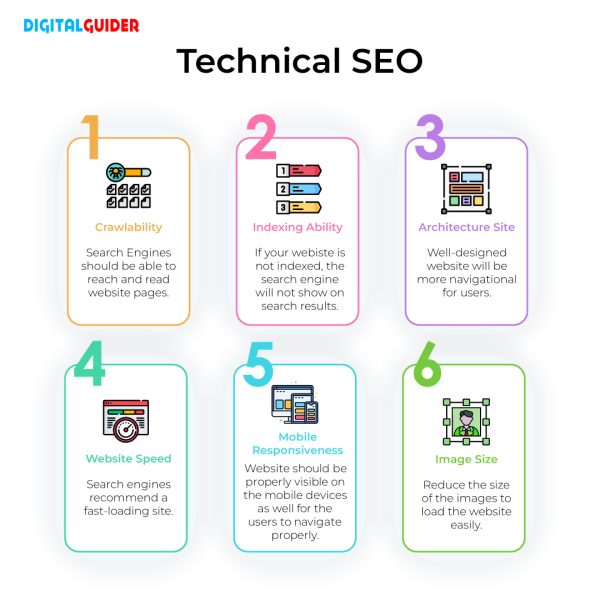
The key elements of technical SEO include:
- Improving your site’s speed to ensure fast page loading—ideally within three seconds or faster.
- You are fixing any errors on your site, as Google prefers directing users to error-free pages.
- Ensuring your website is mobile-friendly since most users access content on smartphones or tablets, and mobile-friendliness contributes to better rankings.
- Create and maintain a site map, which the search engine uses to crawl and index your content.
- You are avoiding duplicate content to enhance the quality and uniqueness of your website.
- Learn to optimize your website for better performance with these technical SEO practices.
5. Local SEO
Local SEO holds special significance for small businesses aiming to establish a presence within their community. This is especially helpful when searching, for example, a local ice cream shop or pet store.
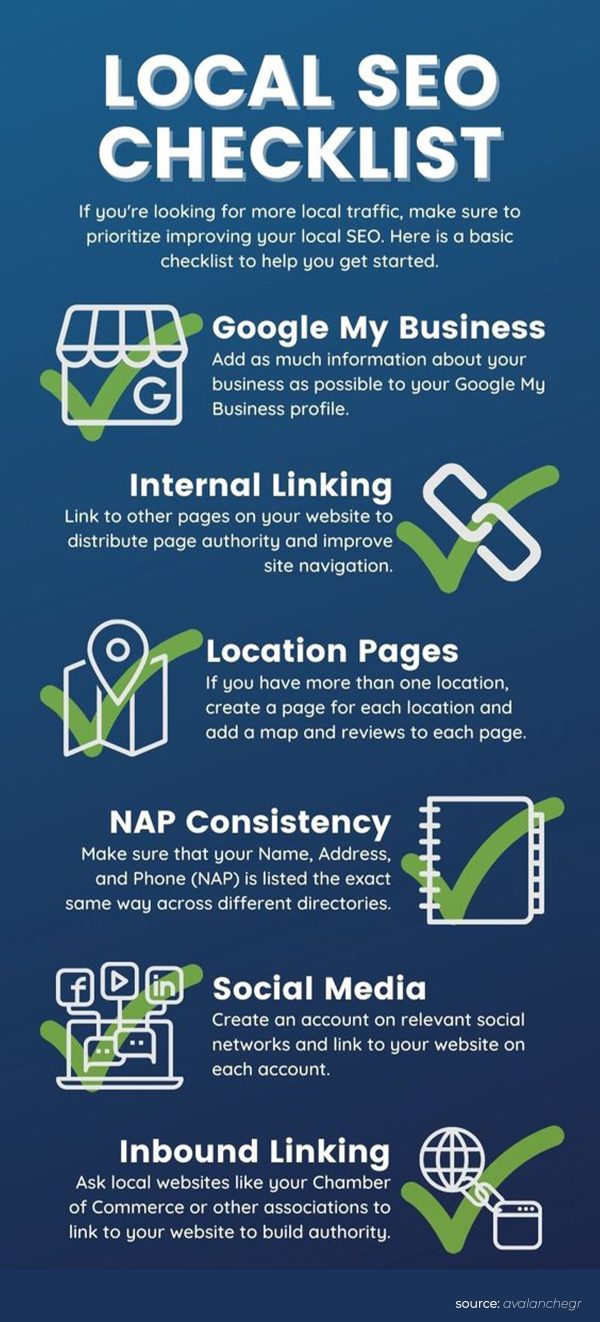
Image Credit: avalanchegr
Achieving effective local SEO involves:
- Showing your company name, address, and phone number (NAP) on every website page.
- Include your business contact details in local business directories like the Chamber of Commerce or local publications.
- Ensuring the accuracy of NAP information across all pages, directories, and social media platforms.
- Creating and maintaining a Google Business Profile page.
Local SEO now depends heavily on review quality, business credibility, local relevance, and consistent engagement signals — not just directory listings. Many local searches now end directly inside Google Maps without users ever visiting a website.
Conclusion
In 2026, successful SEO comes from building genuine authority, publishing useful experience-driven content, and creating a brand search engines and AI systems consistently trust.
FAQs – SEO Marketing for Business Growth
Q1. How is SEO different in 2026 compared to previous years?
SEO in 2026 focuses more on visibility across AI Overviews, Google Search, Maps, YouTube, and AI assistants instead of only traditional rankings. Search engines now evaluate content quality, expertise, brand trust, and user engagement more deeply before recommending a website.
Q2. Can AI-generated content rank on Google?
Yes, AI-generated content can rank if it provides real value, accuracy, and helpful insights. However, purely generic AI-written content often struggles in competitive niches. Google favors content that demonstrates real experience, expertise, originality, and trustworthiness.
Q3. What is AI Overview optimization in SEO?
AI Overview optimization means structuring your content so Google’s AI systems can easily understand, summarize, and reference it in AI-generated search answers. This usually involves clear formatting, direct answers, topical authority, schema markup, and trustworthy information.
Q4. Why are some websites losing traffic after Google AI Overviews?
Many informational searches now get answered directly inside AI Overviews without users clicking websites. Sites with thin content, weak authority, or outdated SEO tactics are seeing larger traffic drops, while brands with strong trust signals and expert content still attract clicks and visibility.
Q5. Does SEO still work for small businesses in 2026?
Yes, SEO is still one of the highest long-term ROI channels for small businesses. Local SEO, Google Business Profile optimization, reviews, and experience-driven content help small businesses appear when nearby customers are actively searching for services.
Q6. What type of content performs best for SEO today?
Content that answers real user questions clearly performs best. Step-by-step guides, local service pages, comparison content, FAQs, case studies, expert opinions, and first-hand experience articles tend to perform well in both Google Search and AI-generated results.
Q7. How important are Google reviews for local SEO?
Google reviews are extremely important for local SEO in 2026. Businesses with strong ratings, recent reviews, and consistent customer engagement often appear more prominently in local packs and Google Maps results.
Share This Article
About the Author: Doug Wyatt

Related Articles
 July 20th, 2026 | 5 minutes read
Every day, people search for dispensaries, CBD products, cannabis delivery, and answers to cannabis-related questions. If your business isn't appearing
- July 13th, 2026 | 5 minutes read
Ever searched "best cannabis SEO agency" and ended up opening ten different tabs that all say the same thing? Yeah,
- July 9th, 2026 | 9 minutes read
SEO can often feel like a marathon without an end goal. You are constantly tweaking minor codes, creating endless keyword
- July 6th, 2026 | 13 minutes read
Let’s be honest, running a business in Columbus in 2026 is not the same as it used to be. Our