Synopsis What if your next customer is already nearby? Discover how hyperlocal marketing turns proximity into opportunity.
Why does a customer three blocks away get the same marketing message as someone three miles away?
They shouldn’t.
While competitors shout into a city-wide void, smart businesses target the exact streets outside their doors to win local market share.
This guide covers how hyperlocal marketing works in practice and reveals five actionable strategies to capture your neighborhood’s foot traffic.
What Is Hyperlocal Marketing?
Hyperlocal marketing targets people within a tiny area, like a single neighborhood or just a few blocks around a business. While local marketing talks to a whole city, hyperlocal marketing uses real-time smartphone GPS and digital boundaries to spot nearby users.
It sends instant, helpful ads directly to people walking past your front doors and ready to act right now.
What Is the Radius Test in Hyperlocal Marketing?
Radius Test shows if your marketing is truly hyperlocal. Look at your last five ads, emails, or social media posts and ask: Could this exact message work in a city 500 miles away?
If yes, it is not hyperlocal.
True local marketing uses specific details only neighbors know, like a notorious pothole or the weekly farmers market. If you can copy-paste it anywhere, it fails.
7 Hyperlocal Marketing Strategies (With Examples)
Use these 7 easy hyperlocal marketing strategies to win more customers right in your neighborhood.
1. Build for the Searcher Who’s Already Decided
When someone searches “vet near me”, “AC service near me, “ or “emergency plumbing services,” they need help right now. Your website’s job is to remove friction instantly.
• Put your exact address, phone number, and real-time open status at the very top of your site.
• Fill out every section, add current photos, and reply to reviews immediately on your Google Business Profile.
• Create distinct pages for each neighborhood you serve instead of packing zip codes into one generic paragraph.
Example:
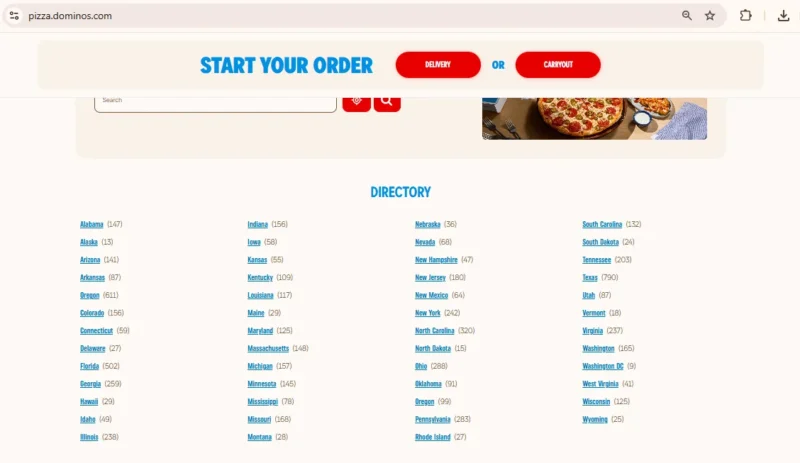
Domino’s Pizza optimized hyperlocal marketing.
Domino’s Pizza mastered this by building hyperlocalized web pages for thousands of specific US storefronts. By making order buttons and exact store proximity visible instantly without scrolling, they captured high-intent, hungry searchers and drove massive digital order increases.
2. Speak the Language of the Neighborhood
Hyperlocal content means writing about your specific area and its features.
• Use exact local phrasing like “Cool off with an iced matcha after shopping the SFC Farmers’ Market at Republic Square” in your digital copy.
• Mention exact street or specific regional highlights affecting your customers today.
Example:
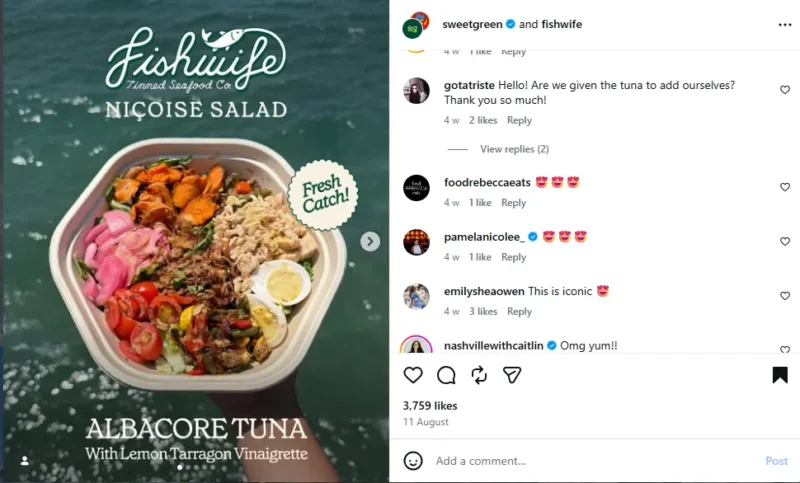
Sweetgreen: Use exact local landmarks to speak the neighborhood’s language
Sweetgreen uses area localization for its menu marketing. Instead of standard national copy, they write digital content highlighting partnerships with specific local farms down to the county level, tailoring narratives to the neighborhood’s exact agricultural culture.
3. Let Geography Do the Ad Targeting
Modern ad platforms let you draw an advertising radius literally down to a fraction of a mile, targeting only the households within walking distance.
Example:
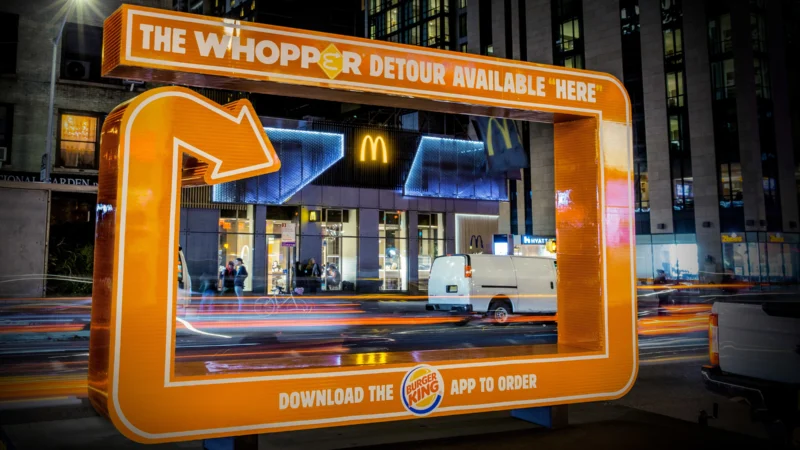
Burger King using real-time geofenced mobile offers.
Burger King uses geographic closeness for its hyperlocal marketing. Instead of standard national copy, they deploy location-based digital ads, geofencing rival McDonald’s chains down to a 600-foot perimeter, tailoring mobile offers to intercept the competitor’s exact foot traffic in real time.
4. Utilise Micro-Influencers & Community Figures
You don’t need a famous national influencer. You need the loud pet owners or neighborhood figures on your block who comment on local Facebook groups.
• Geo-Tag your exact location and use hyper-niche, street-level hashtags in every social media post.
• Team up with a non-competing business down the street to swap digital shoutouts and trade foot traffic.
Example:
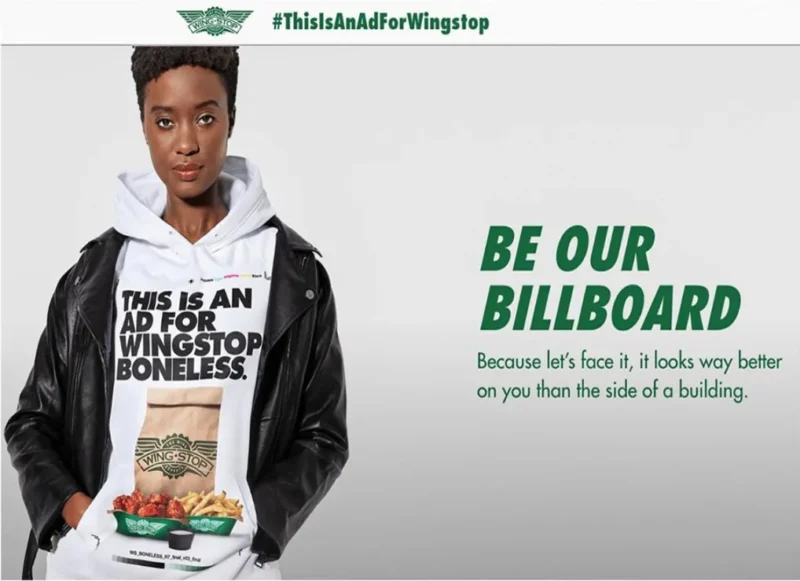
Wingstop successfully scaled hyper-local social media marketing by running localized ad campaigns using micro-creators and local neighborhood figures within a tight 3-mile radius of a specific store location.
Wingstop successfully scaled hyper-local social media marketing by running localized ad campaigns using micro-creators and local neighborhood figures within a tight 3-mile radius of a specific store location.
5. Build Community-First Physical Triggers
Hosting neighborhood events that give locals a reason to step away from their screens and walk through your physical door.
Example:
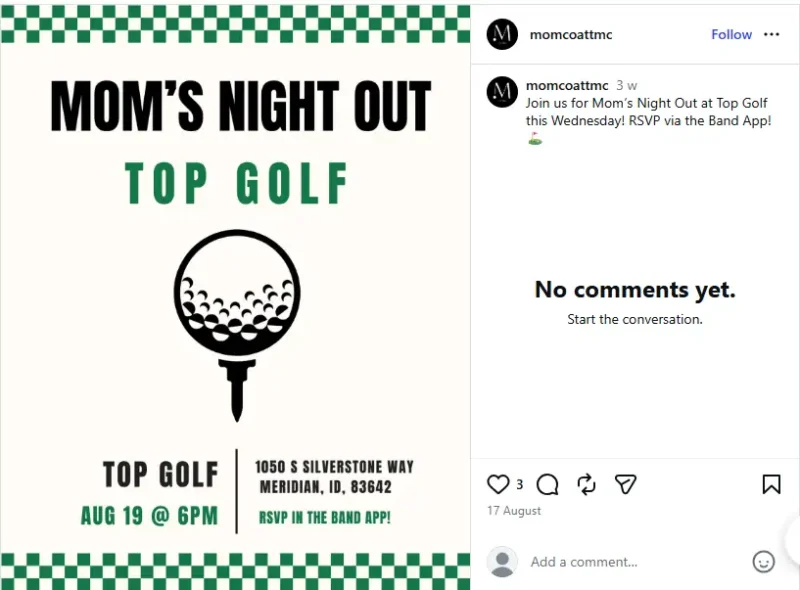
Topgolf builds community-first physical triggers by hosting targeted neighborhood events
Topgolf establishes neighborhood hubs within a five-to-ten-mile radius to build community-first physical engagement. This localized strategy drives consistent weekday foot traffic and organic word-of-mouth through high school fundraisers, corporate leagues, and charity drives.
6. SMS & Texting
Send automated alerts to loyalty club members the exact moment their phones ping a cell tower near your store
Example:
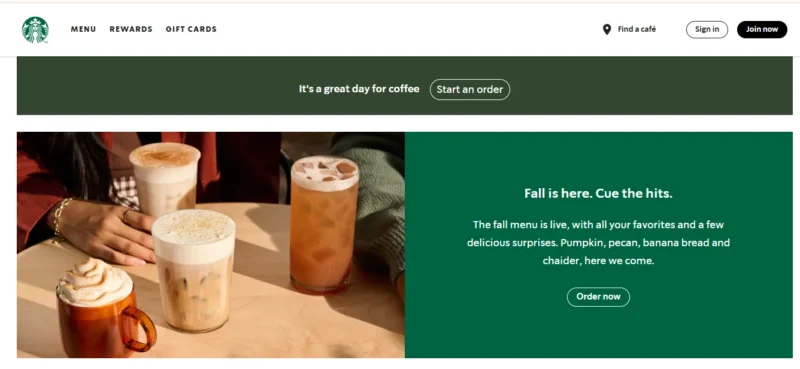
Starbucks triggers real-time smartphone alerts using nearby cell towers.
Starbucks uses real-time location signals to trigger targeted smartphone notifications when a user walks within 200 meters of a shop during rush hour, offering a fast upgrade to capture nearby foot traffic.
7. Weather-Triggered Targeting
Launch digital ads based on live local weather.
Example:
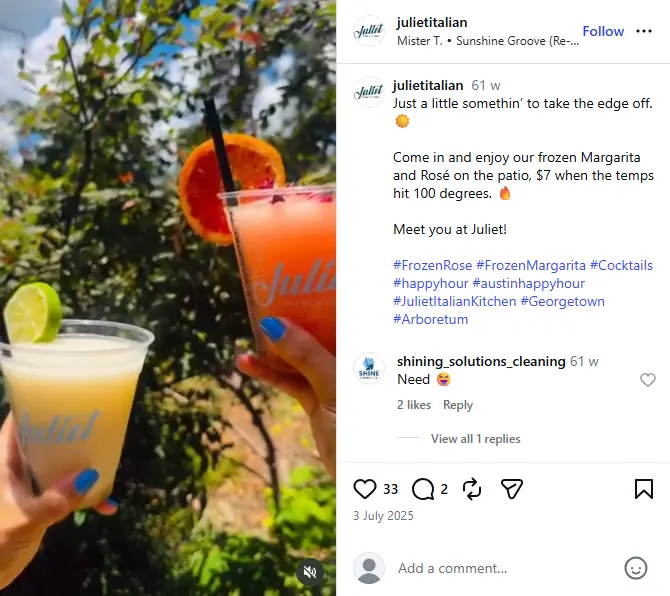
Juliet Italian Kitchen automated weather-triggered social promotion.
Juliet Italian Kitchen in Austin, Texas, drives local foot traffic and revenue during peak heatwaves by automatically launching social media promotions for cold drink deals when temperatures reach 100°F. For more details, visit Juliet Italian Kitchen.
Common Hyperlocal Marketing Mistakes
This table maps out the core hyperlocal marketing mistakes and how to fix them:
| The Mistake | The Hyperlocal Fix |
| Simple radius circles | Exclude rivers or highways; track real travel patterns. |
| Intuition-based zones | Use actual CRM data and addresses to map targets. |
| Spreading zones thin | Focus your budget on high-density buyer areas. |
| Ignoring local profiles | Update your Google Business Profile hours and details regularly. |
| Inconsistent NAP details | Match your Name, Address, and Phone across directories. |
| Using generic ads | Add local landmarks, street names, or distances to copy. |
| Ignoring customer reviews | Reply quickly to all reviews to build trust. |
| No community presence | Partner with local events instead of just offering coupons. |
| Fulfillment mismatch | Match inventory and staff before promising fast delivery. |
Why “Near You” Beats “Everywhere” Every Time
Winning the digital space requires owning the three-block radius right outside your front door.
By focusing your marketing where it actually matters, you remove wasted ad budget, outsmart competitors, and turn nearby searchers into lifelong regulars.
Ready to own your neighborhood?
Let’s look at your current digital presence, run the Radius Test on your latest ads, and build a custom blueprint to dominate your local blocks.
👉 Book Your Free Hyperlocal Strategy Consultation Today
Hyperlocal Marketing FAQ
Q. What is hyperlocal social marketing?
A. Hyperlocal social marketing targets social media users within a specific neighborhood or block using highly localized content to drive immediate foot traffic to a physical store.
Q: Is hyperlocal marketing the same as hyperlocal advertising?
A: No. Hyperlocal marketing is the broad, ongoing strategy mixing organic and paid tactics like SEO, content, and events. Hyperlocal advertising is just one paid element within that strategy, focused strictly on serving ads inside a strict geographic boundary.
Q: What’s the difference between Hyperlocal marketing vs. geofencing?
A: Hyperlocal marketing is the overall strategy, while geofencing is just a tool underneath it. Geofencing draws a virtual perimeter around a location to trigger real-time mobile ads; you can run a successful hyperlocal strategy without ever using it.
Q: What are the benefits of hyperlocal marketing?
A: It delivers higher-intent leads and maximum ad efficiency by targeting customers within a specific, highly concentrated geographic area.
Q: How much does hyperlocal marketing cost?
A: Hyperlocal marketing budgets are highly flexible and scalable, allowing small businesses to start with free tools like Google Business Profile and modest ad spend, scaling up only as local revenue grows.
Q: What tools are essential for hyperlocal marketing?
A: To launch hyperlocal marketing, you need four essential tools: a Google Business Profile, radius-targeted ads (Google/Meta), a review management tool, and a local rank tracker.
Q: What is hyperlocal voice and visual search optimization?
A: Voice and visual search optimization means adapting to screenless queries: voice search requires conversational, natural FAQ phrases, while visual search requires accurate storefront photos and tagged digital images.
Q: How long does it take to see results?
A: Paid geo-targeted ad campaigns can drive physical foot traffic within a few days. Organic tactics such as localized website content, directory citations, and Google Profile optimization typically take a few months to show meaningful ranking shifts.
Q: How do I measure whether it’s working?
A: Measure success by tracking physical foot traffic, local review volume, and Google Business Profile actions like phone calls, clicks for driving directions, and local message inquiries.
Thanks For Reading!
Share This Article
About the Author: Carlos Ruiz

Related Articles
 November 9th, 2026 | 7 minutes read
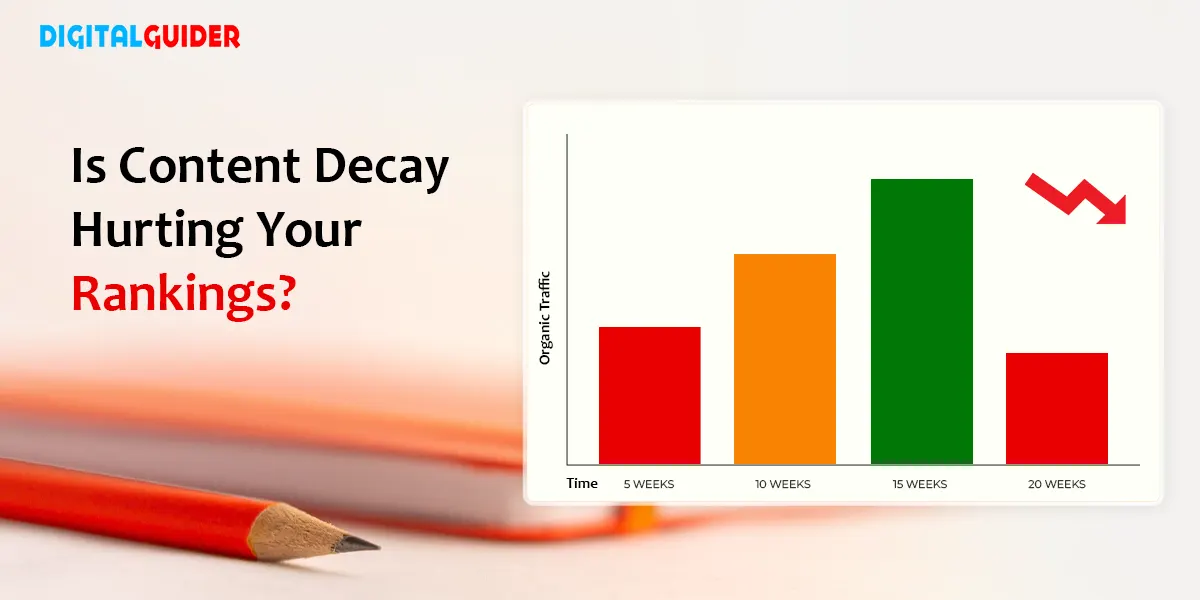
You publish a blog post, it starts ranking on Google, brings in consistent traffic, and becomes one of your website's
- October 26th, 2026 | 9 minutes read
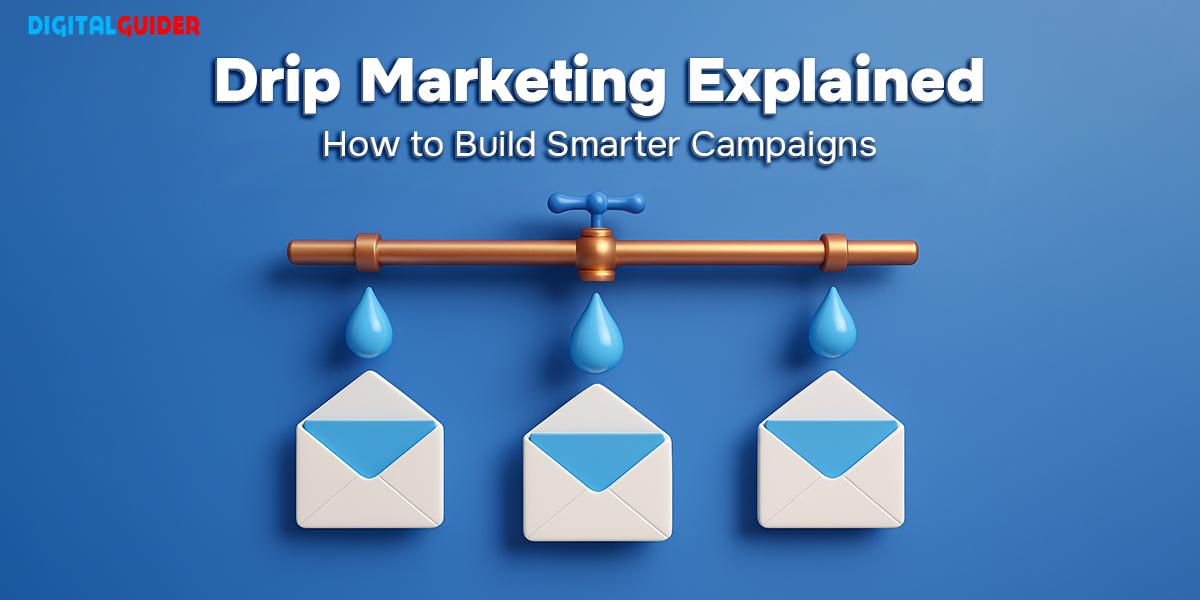
Most customers don’t buy the first time they visit a website. They may need a reminder, helpful information, or a
- October 22nd, 2026 | 9 minutes read
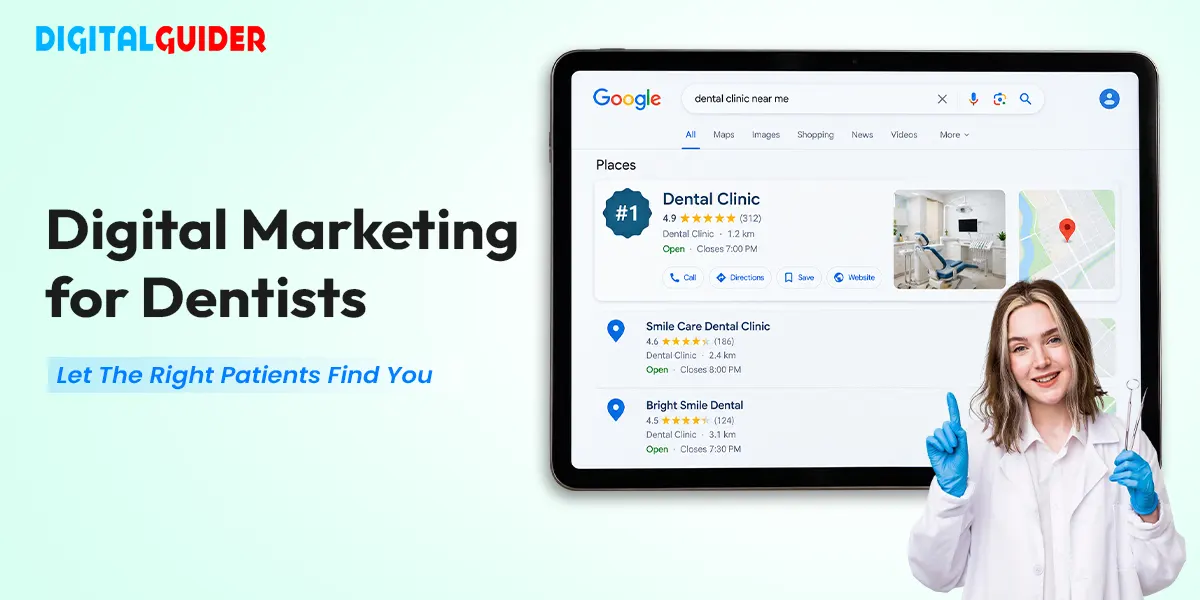
Finding a dentist used to start with a recommendation. Today, it often starts with a search. When patients face any
- October 19th, 2026 | 7 minutes read
The next patient for your dental office is probably already searching for you. The question is: Will they find you